
Blog
Asbestlint Risks Explained: Safety, Detection, Prevention


When people hear about hazardous materials, their minds often jump to obvious dangers like chemicals or industrial waste. Yet one lesser-known but equally serious concern is asbestlint—a term that’s gaining attention among safety professionals and homeowners alike. Whether you’re renovating an old property or simply curious about indoor health risks, understanding asbestlint can help you make safer, smarter decisions.
In this guide, we’ll break down what asbestlint is, why it matters, and how you can protect yourself and others. By the end, you’ll have a clear, practical understanding of this hidden hazard.
What Is Asbestlint and Why Should You Care?
At its core, asbestlint refers to fine, fibrous particles that resemble lint but contain asbestos materials. These particles can accumulate in indoor environments, particularly in older buildings where asbestos was widely used in insulation, flooring, and ceiling materials.
Think of it like dust—but far more dangerous. While regular dust may trigger allergies, asbestlint carries microscopic fibers that can lodge deep in the lungs. Over time, exposure may lead to serious health conditions.
What makes asbestlint particularly concerning is its invisibility. You can’t easily see or smell it, and it often goes unnoticed until it becomes a health issue. This silent nature is why awareness is crucial.
In many cases, people unknowingly disturb asbestos-containing materials during renovations or repairs. When these materials break down, they release fibers that settle like lint—hence the term. Once airborne, they can linger for hours or even days.
Common Sources of Asbestlint in Homes and Buildings
You might assume asbestos risks are limited to industrial settings, but that’s far from true. Many residential and commercial properties built before the 1980s still contain asbestos-based materials.
One common source is insulation. Older attic insulation, especially the loose-fill variety, can degrade over time and release fibrous particles. These particles may drift into living spaces through vents or small gaps.
Floor tiles and adhesives are another culprit. As these materials age or crack, they can release fine debris that contributes to asbestlint buildup. Even something as simple as replacing flooring can disturb these materials if not handled properly.
Ceiling tiles and textured paints also pose risks. Popcorn ceilings, once popular for their aesthetic and acoustic benefits, often contained asbestos. When scraped or damaged, they can release fibers into the air.
A real-world example illustrates this well. A homeowner in a mid-century house decided to renovate their basement. During demolition, they noticed a fine, lint-like dust settling everywhere. Without realizing it, they had disturbed asbestos-containing insulation. The cleanup required professional remediation, costing far more than the renovation itself.
Health Risks Associated with Asbestlint Exposure
Understanding the health implications of asbestlint is essential. These tiny fibers are not just irritants—they can cause long-term damage when inhaled.
When asbestos fibers enter the lungs, they can become trapped in lung tissue. Over time, this may lead to inflammation and scarring, a condition known as asbestosis. This disease reduces lung function and can cause chronic breathing difficulties.
More गंभीर risks include lung cancer and mesothelioma, a rare but aggressive cancer linked almost exclusively to asbestos exposure. What’s particularly alarming is the latency period. Symptoms may not appear until decades after exposure.
Consider this analogy: inhaling asbestlint is like planting invisible seeds in your lungs. You may not notice anything immediately, but years later, those seeds can grow into serious health problems.
Even short-term exposure can be harmful, especially in high concentrations. That’s why safety guidelines emphasize minimizing any contact with asbestos-containing materials.
How to Identify and Test for Asbestlint
Detecting asbestlint isn’t straightforward, as it often blends in with ordinary dust. However, there are warning signs that can help you identify potential risks.
If you live in or work within an older building, pay attention to deteriorating materials. Crumbling insulation, cracked tiles, or peeling ceiling textures may indicate asbestos presence. If you notice unusual lint-like debris accumulating in these areas, it’s worth investigating further.
Professional testing is the most reliable way to confirm the presence of asbestos fibers. Certified inspectors can collect samples and analyze them in specialized laboratories. This process ensures accurate results and helps determine the level of risk.
DIY testing kits are available, but they come with limitations. Improper handling can actually release more fibers into the air, increasing exposure. For this reason, many experts recommend leaving testing to professionals.
An interesting case involved an office building undergoing routine maintenance. Employees reported increased dust accumulation. Testing revealed that aging ceiling tiles were releasing asbestos fibers, prompting immediate remediation and improved air filtration systems.
Prevention and Safe Handling Practices
Preventing exposure to asbestlint starts with awareness and proper handling techniques. The key is to avoid disturbing materials that may contain asbestos.
If you suspect asbestos in your home, resist the urge to handle it yourself. Activities like sanding, drilling, or cutting can release fibers into the air. Instead, consult licensed professionals who specialize in asbestos removal.
Regular maintenance can also reduce risks. Keeping surfaces clean with damp cloths or HEPA-filter vacuums helps minimize dust accumulation. However, avoid dry sweeping, as it can stir up particles.
Proper ventilation plays a significant role as well. Good airflow helps disperse airborne particles, reducing their concentration. Air purifiers with HEPA filters can further improve indoor air quality.
In workplaces, safety protocols are even more critical. Protective gear, controlled work zones, and strict disposal procedures help prevent contamination and exposure.
The Role of Regulations and Professional Remediation
Governments and health organizations have established strict regulations to manage asbestos risks. These guidelines cover everything from identification and handling to disposal.
Professional remediation involves sealing off affected areas, using specialized equipment to remove contaminated materials, and ensuring safe disposal. This process is highly controlled to prevent fibers from spreading.
One important aspect is containment. Workers use negative air pressure systems to keep fibers from escaping into other areas. This level of precision underscores why professional intervention is essential.
In many regions, it’s illegal to remove asbestos without proper certification. These laws are designed to protect both workers and the public from accidental exposure.
A notable example comes from a school renovation project. Initial inspections revealed asbestos contamination. Instead of proceeding with construction, the project paused for professional remediation. While it delayed the timeline, it ensured the safety of students and staff.
You May Also Like: Recyclatanteil Guide: Boost Sustainability and Impact
Everyday Tips to Reduce Risk at Home
Living safely around potential asbestos sources doesn’t have to be overwhelming. Small, practical steps can make a big difference.
Start by being mindful of your environment. If your home was built before the 1980s, consider having an inspection done. Knowing what you’re dealing with is half the battle.
Avoid DIY renovations in high-risk areas. While it may be tempting to save money, improper handling can lead to costly and dangerous consequences.
Keep your home clean and well-maintained. Regularly check for signs of wear and tear in materials that could contain asbestos. Address issues promptly to prevent deterioration.
Education is another powerful tool. Understanding how asbestlint forms and spreads helps you make informed decisions. Share this knowledge with family members so everyone stays aware.
Conclusion: Why Awareness of Asbestlint Matters
Asbestlint may not be a household term yet, but its impact is real and significant. From hidden sources in older buildings to serious long-term health risks, it’s a topic that deserves attention.
By understanding what asbestlint is and how it forms, you can take proactive steps to protect yourself and others. Awareness leads to prevention, and prevention reduces risk.
The key takeaway is simple: don’t ignore potential hazards. Whether it’s scheduling an inspection, improving ventilation, or consulting professionals, every action counts.
In a world where indoor safety is often overlooked, staying informed about asbestlint gives you a clear advantage. It empowers you to create a safer environment—one decision at a time.
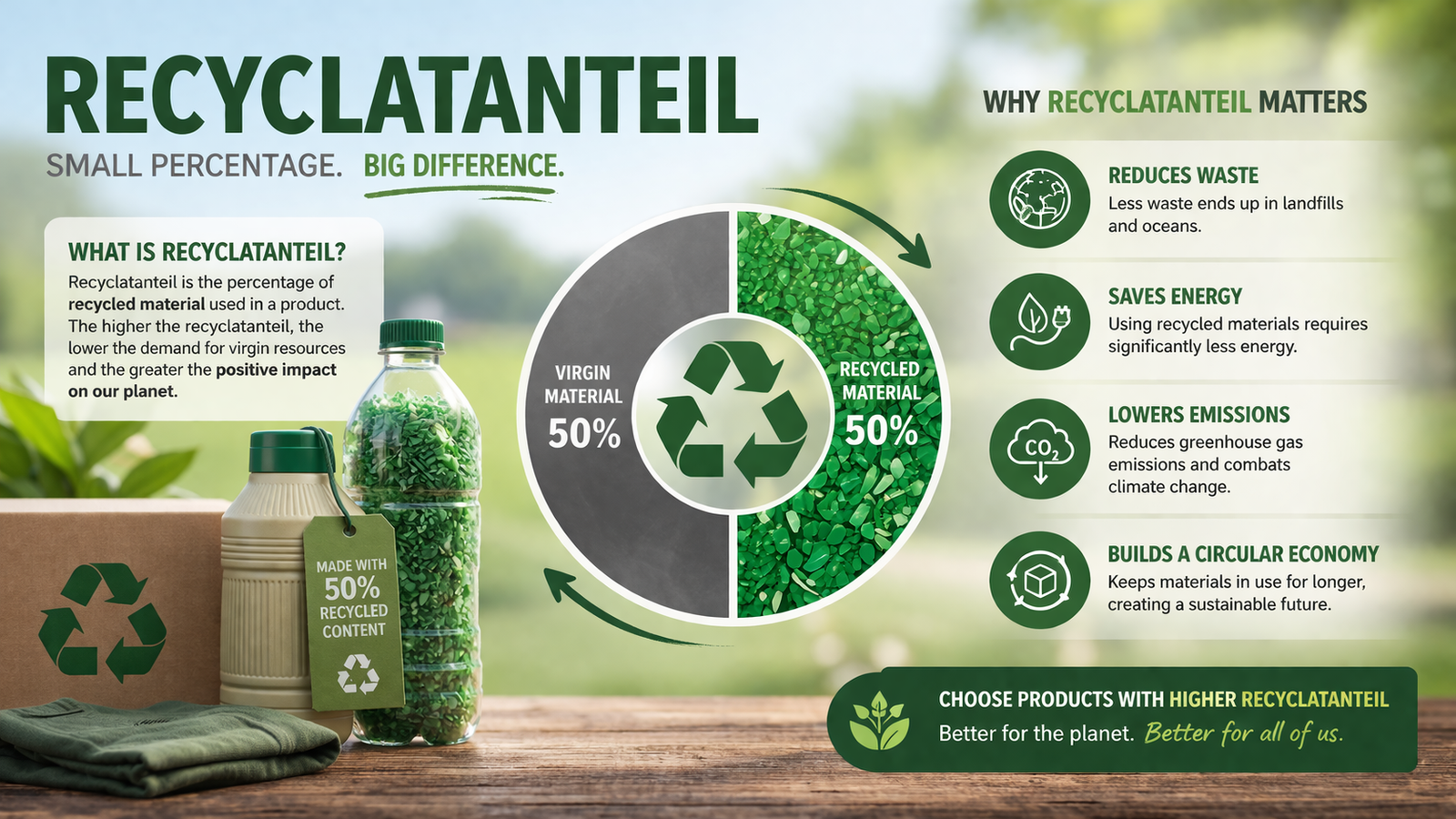
Sustainability is no longer a buzzword—it’s a necessity. One concept gaining traction across industries is recyclatanteil, or the proportion of recycled material used in a product. From packaging to construction materials, businesses and consumers alike are paying closer attention to how much recycled content is actually being reused. Understanding recyclatanteil isn’t just about environmental responsibility—it’s about smarter production, reduced waste, and a more circular economy.
In simple terms, recyclatanteil refers to the percentage of recycled material incorporated into a new product. The higher the recyclatanteil, the lower the demand for virgin resources. But there’s much more beneath the surface. Let’s dive deeper into what makes this concept so critical today.
What Is Recyclatanteil and Why Does It Matter?
At its core, recyclatanteil measures how much recycled material replaces new raw materials in manufacturing. For instance, a plastic bottle made with 50% recycled plastic has a recyclatanteil of 50%. Sounds straightforward, right? But its implications are far-reaching.
First, it directly reduces the extraction of natural resources. Mining, logging, and drilling all take a toll on ecosystems. By increasing recyclatanteil, companies lessen their environmental footprint. It’s like reusing ingredients in your kitchen instead of buying everything new each time—you save resources and reduce waste.
Second, it helps cut greenhouse gas emissions. Producing goods from recycled materials often requires less energy than starting from scratch. Aluminum, for example, uses up to 95% less energy when recycled. That’s a massive difference.
Lastly, recyclatanteil builds trust with consumers. People today want transparency. When brands clearly state their recycled content, it signals accountability and commitment to sustainability. This shift in consumer expectations is pushing industries to rethink how products are made.
How Recyclatanteil Impacts Different Industries
Recyclatanteil isn’t limited to one sector—it’s influencing nearly every industry. Let’s explore how it plays out in real-world applications.
In the packaging industry, companies are under pressure to reduce plastic waste. Many brands now use bottles and containers with high recyclatanteil. Think of beverage companies promoting “100% recycled plastic” labels. These efforts not only reduce landfill waste but also appeal to eco-conscious buyers.
The construction sector is another major player. Materials like recycled steel, concrete, and asphalt are becoming standard. Increasing recyclatanteil in construction doesn’t just help the environment—it also lowers costs over time. Recycled materials are often cheaper and more readily available.
Even the fashion industry is embracing this shift. Brands are turning plastic waste into fabrics, creating clothing with significant recyclatanteil. It’s a fascinating transformation—old bottles becoming stylish jackets. This innovation shows how creativity and sustainability can go hand in hand.
Across these industries, one thing is clear: recyclatanteil is no longer optional. It’s becoming a benchmark for responsible production.
The Challenges of Increasing Recyclatanteil
While the benefits are clear, boosting recyclatanteil isn’t always easy. There are several hurdles companies must overcome.
One major challenge is material quality. Recycled materials don’t always match the strength or purity of virgin materials. This can limit their use in certain applications. For example, food packaging often requires strict safety standards, making it harder to use high levels of recycled content.
Another issue is supply consistency. Recycling systems vary widely across regions. In some areas, collecting and processing recyclable materials is inefficient or underdeveloped. This creates shortages and drives up costs.
There’s also the problem of contamination. When recyclable materials are mixed with non-recyclables, the entire batch can become unusable. It’s similar to cooking—one spoiled ingredient can ruin the whole dish.
Despite these challenges, advancements in technology are improving the situation. Better sorting systems, chemical recycling, and stricter regulations are helping increase recyclatanteil across industries.
Real-World Examples of High Recyclatanteil Success
To truly understand the impact of recyclatanteil, it helps to look at real-world success stories.
One notable example is the beverage industry. Several global brands have committed to producing bottles made entirely from recycled plastic. This shift has significantly reduced their reliance on new plastic production. It’s a bold move that sets a precedent for others.
In the automotive sector, manufacturers are incorporating recycled metals and plastics into vehicles. Some car interiors now feature fabrics made from recycled materials. These innovations show that recyclatanteil doesn’t compromise quality—it enhances sustainability.
A particularly inspiring case comes from urban infrastructure. Cities are using recycled asphalt to repair roads. This not only reduces waste but also lowers construction costs. It’s a practical solution with immediate benefits.
These examples highlight a key point: increasing recyclatanteil isn’t just theoretical—it’s already happening, and it’s working.
How Consumers Can Support Higher Recyclatanteil
Consumers play a crucial role in driving demand for products with higher recyclatanteil. Every purchase decision sends a signal to manufacturers.
Start by checking product labels. Many companies now disclose their recycled content. Choosing products with higher recyclatanteil encourages brands to continue these practices. It’s a simple yet powerful action.
Recycling properly is equally important. When consumers sort waste correctly, it improves the quality of recyclable materials. This, in turn, makes it easier for companies to increase recyclatanteil in their products.
Supporting brands that prioritize sustainability also makes a difference. Companies respond to market demand. When eco-friendly products perform well, more businesses follow suit.
Think of it as a cycle: consumers demand sustainable products, companies increase recyclatanteil, and the environment benefits. Everyone plays a part.
More From Info: The Power and Meaning of “ğş” in Digital Culture Today
The Future of Recyclatanteil in a Circular Economy
Looking ahead, recyclatanteil will be a cornerstone of the circular economy. This model focuses on keeping resources in use for as long as possible, minimizing waste.
Governments are already introducing regulations to boost recyclatanteil. Policies like minimum recycled content requirements are becoming more common. These rules push industries to adopt sustainable practices faster.
Technology will also play a major role. Innovations in recycling processes are making it possible to recover higher-quality materials. Chemical recycling, for example, can break down plastics into their original components, allowing for near-perfect reuse.
Collaboration is another key factor. Businesses, governments, and consumers must work together to improve recycling systems. It’s not a one-player game—it’s a team effort.
As awareness grows, recyclatanteil will likely become a standard metric, much like energy efficiency ratings today. Products with low recycled content may eventually be seen as outdated or irresponsible.
Conclusion: Why Recyclatanteil Deserves Your Attention
Recyclatanteil isn’t just a technical term—it’s a powerful concept shaping the future of sustainability. By increasing the use of recycled materials, we reduce waste, conserve resources, and lower emissions. It’s a practical solution to some of the world’s most pressing environmental challenges.
From packaging and construction to fashion and automotive industries, recyclatanteil is driving innovation and accountability. While challenges remain, progress is undeniable. Technology is improving, regulations are strengthening, and consumer awareness is growing.
The takeaway is simple: every choice matters. Whether you’re a business owner or a consumer, prioritizing products with higher recyclatanteil can make a real difference. It’s not about perfection—it’s about progress.
As the world moves toward a circular economy, recyclatanteil will play a central role. The question isn’t whether it matters—it’s how quickly we can embrace it.

In today’s ever-evolving digital landscape, even the most unusual or unfamiliar terms can spark curiosity and drive engagement. One such intriguing keyword is “ğş”. While it may appear abstract at first glance, understanding its context, applications, and potential significance can open doors to new perspectives. Whether you’re exploring linguistic nuances, digital trends, or symbolic meanings, this comprehensive guide will help you unpack the layers behind “ğş” in a clear, engaging way.
Understanding “ğş” and Its Origins
At its core, “ğş” stands out because it doesn’t immediately belong to standard English vocabulary. Instead, it resembles characters from languages like Turkish, where letters such as “ğ” (soft g) and “ş” (sh sound) are commonly used. This makes “ğş” feel both exotic and intriguing, especially to audiences unfamiliar with such alphabets.
Language often evolves through cultural blending, internet trends, and creative expression. In some cases, unusual combinations like “ğş” emerge in online communities, usernames, or stylized content. They might not carry a fixed definition, yet they serve a purpose—standing out in a crowded digital space.
Think of “ğş” like a unique logo. It may not say much literally, but visually and conceptually, it captures attention. Much like how brands use abstract symbols, this term can represent identity, creativity, or even mystery.
Why “ğş” Is Gaining Attention Online
The internet thrives on novelty. Uncommon words and symbols often gain traction simply because they’re different. “ğş” fits perfectly into this pattern. It sparks curiosity, encourages clicks, and invites users to explore its meaning.
Social media platforms, for example, reward uniqueness. A username or hashtag containing “ğş” is far less likely to be duplicated. This makes it appealing for creators who want a distinct digital presence. Moreover, search engines sometimes favor rare keywords due to lower competition, giving “ğş” an unexpected SEO advantage.
Consider a small content creator trying to stand out. By incorporating “ğş” into their branding, they create a memorable identity. Over time, this uniqueness can translate into stronger recognition and audience retention.
The Linguistic Perspective of “ğş”
From a linguistic standpoint, “ğş” offers an interesting case study. Both characters originate from the Turkish alphabet, where they play specific phonetic roles. The “ğ” often lengthens the preceding vowel, while “ş” produces a “sh” sound. However, when combined as “ğş,” the pairing doesn’t form a standard Turkish word.
This unusual combination highlights how language can be repurposed creatively. In digital communication, strict grammatical rules often take a back seat to expression. Emojis, abbreviations, and stylized text all demonstrate this shift.
An analogy might help here. Think of “ğş” as musical notes that don’t traditionally go together but still create a unique melody. It may not follow classical rules, yet it resonates in its own way.
Practical Uses of “ğş” in Digital Content
Despite its ambiguity, “ğş” can be used effectively in various digital contexts. One of the most common applications is branding. Businesses and individuals alike are constantly searching for unique identifiers, and this term provides exactly that.
For instance, a startup might use “ğş” as part of its brand name to signal innovation and originality. Similarly, artists and designers could incorporate it into their work as a stylistic element. Its unfamiliarity becomes an asset rather than a limitation.
Another practical use lies in SEO experimentation. Since “ğş” is a low-competition keyword, it can help content rank more easily—at least initially. By building content around it, creators can test strategies, analyze traffic patterns, and refine their approach without competing against high-authority domains.
The Psychological Appeal of “ğş”
Human psychology plays a significant role in how we respond to unfamiliar stimuli. When people encounter something they don’t immediately understand—like “ğş”—their curiosity is triggered. This is known as the curiosity gap, a powerful driver of engagement.
Imagine scrolling through a feed and spotting a post titled “The Secret Behind ğş.” Chances are, you’d pause and click, simply to satisfy your curiosity. This makes the term a valuable tool for capturing attention.
Moreover, uniqueness often conveys exclusivity. When something feels rare or unconventional, it can seem more valuable. In this sense, “ğş” acts like a hidden gem—something people want to explore and understand.
Case Study: Building a Brand Around “ğş”
To better illustrate its potential, let’s consider a hypothetical case. A digital artist decides to brand their portfolio using “ğş.” At first, the name confuses visitors. However, its distinctiveness makes it memorable.
Over time, the artist consistently produces high-quality work under this brand. Gradually, “ğş” becomes associated with creativity and originality. What started as an abstract term evolves into a recognizable identity.
This mirrors how many successful brands began. Names like Google or Etsy once seemed unusual, yet they gained meaning through consistent use and strong association. Similarly, “ğş” has the potential to grow into something meaningful with the right context and execution.
Will You Check This Article: Tahhiini Guide: Benefits, Uses, and Nutrition Facts
Challenges and Limitations of Using “ğş”
While “ğş” offers several advantages, it also comes with challenges. One major issue is accessibility. Not all keyboards support special characters like “ğ” and “ş,” which can make typing or searching for the term inconvenient.
Additionally, pronunciation can be tricky for those unfamiliar with the characters. This may create barriers in verbal communication or branding efforts. If people can’t easily say or remember a term, its effectiveness may be limited.
However, these challenges aren’t insurmountable. With clear context and consistent usage, audiences can adapt. After all, many once-unfamiliar words have become mainstream over time.
How to Effectively Use “ğş” in Your Strategy
If you’re considering incorporating “ğş” into your content or branding, strategy matters. Start by defining what it represents. Since the term doesn’t have a fixed meaning, you have the freedom to shape its identity.
Consistency is key. Use “ğş” across your platforms in a cohesive way, ensuring it becomes recognizable over time. Pair it with strong visuals, messaging, and storytelling to reinforce its significance.
It’s also important to consider your audience. While some may appreciate the uniqueness, others might find it confusing. Striking a balance between creativity and clarity will help you maximize its impact.
The Future Potential of “ğş”
As digital spaces continue to evolve, the demand for unique identifiers will only grow. Terms like “ğş” are well-positioned to thrive in this environment. They offer a blank canvas for creativity, allowing individuals and brands to define their own meaning.
Emerging technologies, such as AI and augmented reality, may further amplify the value of distinctive symbols. In such contexts, “ğş” could serve as a memorable tag, a digital signature, or even a virtual identity marker.
Looking ahead, the possibilities are vast. What seems obscure today could become significant tomorrow, especially in a world that values originality and innovation.
Conclusion: Why “ğş” Matters More Than It Seems
At first glance, “ğş” might appear puzzling or even meaningless. Yet, a deeper exploration reveals its potential as a symbol of creativity, uniqueness, and digital identity. From linguistic curiosity to branding opportunity, it offers more than meets the eye.
By understanding its strengths and limitations, you can leverage “ğş” effectively in your own projects. Whether you’re building a brand, experimenting with SEO, or simply exploring new ideas, this unusual term provides a fresh perspective.
Ultimately, the value of “ğş” lies in how you use it. Define it, shape it, and let it grow into something meaningful. In a world full of noise, sometimes the most unconventional elements stand out the most.
FAQs About “ğş”
1. What does “ğş” actually mean?
“ğş” doesn’t have a fixed meaning in English. It resembles characters from the Turkish alphabet but is often used creatively rather than linguistically.
2. Is “ğş” useful for SEO?
Yes, it can be. Since it’s a low-competition keyword, content built around “ğş” may rank more easily, especially in niche contexts.
3. How do you pronounce “ğş”?
Pronunciation can vary. In Turkish, “ğ” lengthens the preceding vowel, and “ş” sounds like “sh,” but together they don’t form a standard word.
4. Can I use “ğş” in branding?
Absolutely. Its uniqueness makes it ideal for branding, especially if you want a distinctive and memorable identity.
5. Are there any downsides to using “ğş”?
The main challenges include typing difficulties and potential confusion. However, with consistent use and clear context, these issues can be minimized.

If you’ve ever explored Middle Eastern or Mediterranean cuisine, chances are you’ve encountered tahhiini—a rich, creamy paste that’s far more versatile than it first appears. Whether you’re drizzling it over roasted vegetables, blending it into dips, or using it as a base for sauces, tahhiini brings a nutty depth and silky texture that transforms simple dishes into something memorable.
But tahhiini isn’t just about flavor. It’s also packed with nutrients, steeped in culinary tradition, and surprisingly easy to incorporate into everyday meals. In this comprehensive guide, we’ll break down everything you need to know—from what tahhiini really is to how you can use it like a pro.
What Is Tahhiini and Why Is It So Popular?
At its core, tahhiini is a paste made from ground sesame seeds. That’s it—no complicated ingredients, no artificial additives. Yet, this simple creation has become a cornerstone in cuisines across the Middle East, North Africa, and beyond.
What makes tahhiini so popular is its unique combination of flavor and texture. It’s nutty, slightly bitter, and incredibly smooth. Think of it as peanut butter’s more sophisticated cousin. Unlike sweet spreads, tahhiini leans savory, which makes it perfect for dips, dressings, and even baked goods.
Another reason for its rise in popularity is its adaptability. Whether you’re vegan, gluten-free, or just trying to eat cleaner, tahhiini fits right in. It works in both traditional recipes like hummus and modern dishes like smoothie bowls or salad dressings.
And let’s be honest—once you taste it, it’s hard not to keep coming back.
The Nutritional Powerhouse Behind Tahhiini
Tahhiini isn’t just delicious—it’s incredibly nutritious. Packed with essential vitamins and minerals, it offers a range of health benefits that make it more than just a condiment.
First, tahhiini is rich in healthy fats, particularly unsaturated fats that support heart health. These fats help reduce bad cholesterol levels while promoting overall cardiovascular wellness. It’s a small addition to your meals that can have a big impact over time.
It’s also a great source of plant-based protein. For those following vegetarian or vegan diets, tahhiini provides a valuable protein boost without relying on animal products. Just a couple of tablespoons can make a noticeable difference in your daily intake.
Additionally, tahhiini contains calcium, magnesium, and iron—nutrients that support bone health, muscle function, and energy levels. It even includes antioxidants that help fight inflammation and oxidative stress.
In short, tahhiini isn’t just food—it’s fuel.
How Tahhiini Is Made: From Seed to Spread
The process of making tahhiini is surprisingly straightforward, yet it requires precision to achieve that signature smoothness.
It begins with sesame seeds, which are either hulled or unhulled. Hulled seeds produce a lighter, milder tahhiini, while unhulled seeds create a darker, more intense flavor. Both have their fans, and the choice often comes down to personal preference.
The seeds are typically roasted to enhance their natural oils and deepen the flavor. This step is crucial—it’s what gives tahhiini its rich, nutty profile. After roasting, the seeds are ground into a paste using stone mills or modern grinders.
The result is a creamy, pourable spread that can vary in thickness depending on how it’s processed. Some versions are silky smooth, while others retain a slightly grainy texture.
Interestingly, making tahhiini at home is entirely possible. With just sesame seeds and a good blender, you can create a fresh batch that rivals store-bought options.
Culinary Uses of Tahhiini: Beyond Hummus
While tahhiini is famously used in hummus, its culinary potential goes far beyond that classic dip.
One of the most popular uses is in sauces and dressings. Mixed with lemon juice, garlic, and water, tahhiini transforms into a creamy sauce that pairs beautifully with grilled meats, roasted vegetables, or falafel. It adds depth without overpowering the dish.
In baking, tahhiini brings a unique twist to desserts. From cookies to brownies, it introduces a subtle nuttiness that complements sweet ingredients like chocolate and honey. It’s an unexpected addition that often becomes the star of the recipe.
Tahhiini also works wonderfully in breakfast dishes. Swirled into oatmeal or drizzled over toast with a bit of honey, it creates a balanced meal that’s both satisfying and nutritious.
And for those who enjoy experimenting, tahhiini can even be blended into smoothies. It adds creaminess and a boost of nutrients without the need for dairy.
You May Also Like: Nada Stepovich Biography, Family, Career & Life Story
Choosing the Best Tahhiini: What to Look For
Not all tahhiini is created equal, and knowing what to look for can make a big difference in both taste and quality.
First, check the ingredient list. The best tahhiini contains just one ingredient: sesame seeds. Avoid products with added oils, preservatives, or unnecessary fillers. Simplicity is key.
Next, consider the color and texture. High-quality tahhiini is usually light beige and has a smooth, pourable consistency. If it’s too thick or overly dark, it may be made from lower-quality seeds or processed incorrectly.
Storage also matters. Tahhiini can separate over time, with oil rising to the top. This is completely normal—just give it a good stir before using. However, if it smells rancid or overly bitter, it’s best to replace it.
Finally, don’t be afraid to try different brands. Each one has its own flavor profile, and finding your favorite can elevate your cooking experience.
Common Mistakes When Using Tahhiini
Even though tahhiini is simple, there are a few common mistakes that can affect how it tastes and performs in recipes.
One frequent issue is using it straight from the jar without mixing. Since tahhiini naturally separates, failing to stir it can result in an uneven texture and flavor. Always take a moment to blend it properly before use.
Another mistake is adding too much too quickly. Tahhiini has a strong flavor, and a little goes a long way. Start with small amounts and adjust as needed to avoid overpowering your dish.
Some people also struggle with bitterness. While tahhiini naturally has a slight bitter edge, it can be balanced with acidic or sweet ingredients like lemon juice or honey. Understanding this balance is key to mastering its use.
Lastly, storing tahhiini incorrectly can shorten its shelf life. Keep it in a cool, dry place, and consider refrigerating it after opening to maintain freshness.
Tahhiini in Modern Diets and Food Trends
In recent years, tahhiini has found its way into modern food trends, becoming a staple in health-conscious kitchens.
With the rise of plant-based diets, tahhiini offers a versatile alternative to dairy-based spreads and sauces. It provides richness and flavor without compromising dietary preferences, making it a favorite among vegans and vegetarians.
It’s also gaining popularity in fitness communities due to its nutrient density. Athletes and health enthusiasts appreciate its combination of healthy fats and protein, which support sustained energy and recovery.
Social media has played a role as well. From tahhiini-drizzled bowls to creative dessert recipes, it’s become a visually appealing ingredient that’s as photogenic as it is delicious.
In many ways, tahhiini has evolved from a traditional staple to a modern superfood.
Conclusion: Why Tahhiini Deserves a Place in Your Kitchen
Tahhiini is more than just a sesame paste—it’s a culinary powerhouse that blends flavor, nutrition, and versatility in one simple ingredient. From its rich history to its modern-day applications, it continues to prove its value in kitchens around the world.
By understanding how to choose, use, and store tahhiini, you can unlock its full potential and elevate your everyday meals. Whether you’re making a classic dip or experimenting with new recipes, tahhiini offers endless possibilities.
So next time you’re looking to add depth, creaminess, and a nutritional boost to your dish, reach for tahhiini. It might just become your new favorite ingredient.
FAQs About Tahhiini
1. Is tahhiini the same as tahini?
Yes, tahhiini is simply a variation in spelling. Both refer to the same sesame seed paste used in many cuisines.
2. Can I eat tahhiini every day?
Absolutely. In moderation, tahhiini is a healthy addition to your diet thanks to its beneficial fats, protein, and minerals.
3. Why does my tahhiini taste bitter?
A slight bitterness is normal, but excessive bitterness may indicate over-roasted seeds or low-quality production.
4. Do I need to refrigerate tahhiini?
It’s not required, but refrigeration can help maintain freshness and extend shelf life, especially after opening.
5. Can I make tahhiini at home?
Yes, you can easily make tahhiini by blending roasted sesame seeds until smooth. It’s simple, fresh, and customizable.

Asbestlint Risks Explained: Safety, Detection, Prevention

Recyclatanteil Guide: Boost Sustainability and Impact

The Power and Meaning of “ğş” in Digital Culture Today

Kathy Yankovic: A Life of Creativity, Family, and Quiet Influence

Keelin Noel Garcia: Life, Legacy and Private Journey
