
Biography
clyde mulroney: A Quiet Rise Beyond Hollywood Legacy

Introduction
There is something quietly compelling about watching a young artist shape an identity in the long shadow of Hollywood royalty. clyde mulroney was born into a world where storytelling was not just entertainment but a way of life. With two acclaimed actors as parents, the language of scripts, rehearsals, and film sets formed part of his childhood landscape. Yet what makes his journey fascinating is not inherited fame but the deliberate, thoughtful way he has approached creativity.
Unlike many who grow up adjacent to celebrity culture and sprint toward visibility, clyde mulroney has moved at his own pace. His path has been marked less by spectacle and more by introspection. Music, film, and narrative exploration have shaped his interests, but always with a sense of restraint. He has not chased headlines. He has pursued craft.
Understanding clyde mulroney means looking beyond his last name. It requires examining the balance between legacy and independence, between access and authenticity. His story is not one of overnight prominence but of gradual artistic formation, quietly unfolding in an industry that rarely rewards patience.
Quick Bio
| Full Name | Clyde Keener Mulroney |
|---|---|
| Date of Birth | June 21, 1999 |
| Age | 26 (as of 2025) |
| Profession | Musician, Creative Artist, Emerging Filmmaker |
| Nationality | American |
| Known For | Musical contributions to film projects; being the son of prominent Hollywood actors |
| Major Achievements | Early songwriting contributions to film soundtracks; academic background in communication and storytelling |
| Net Worth | Not publicly disclosed |
Early Life in a Cinematic Household
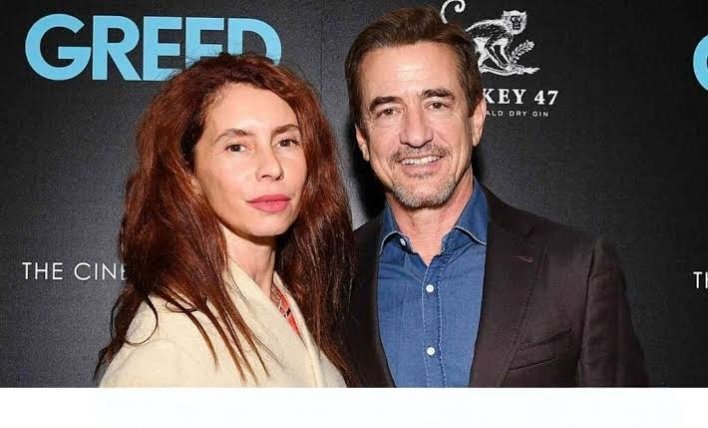
To understand the emotional texture of clyde mulroney’s journey, it helps to appreciate the creative environment in which he was raised. He is the son of Dermot Mulroney, known for his diverse roles across drama and romance, and Catherine Keener, an actress widely respected for her depth and understated power on screen. Growing up with two working actors meant that performance, script analysis, and artistic discipline were part of everyday conversation.
This upbringing offered more than access to film sets. It provided a firsthand education in the reality of creative labor. He witnessed auditions that did not go as planned, long hours on location, and the emotional vulnerability required of performers. That exposure instilled something invaluable: respect for the craft itself.
For clyde mulroney, Hollywood was not just red carpets and premieres. It was rehearsal rooms, collaboration, and the humbling experience of watching seasoned professionals refine their art. That distinction matters. It shaped a mindset grounded in process rather than applause.
Education and the Shaping of Perspective
While legacy could have been enough to propel him into acting, clyde mulroney chose education as a foundation for self-definition. He attended Northwestern University, where he studied communication. That academic choice reveals something essential about his orientation toward storytelling. Communication is not merely about speaking; it is about understanding how narratives are constructed, interpreted, and emotionally received.
At Northwestern, he encountered storytelling from analytical and theoretical angles. He explored media systems, narrative structures, and the mechanics of audience engagement. Rather than focusing solely on performance, he broadened his understanding of how stories function across mediums.
This period appears to have deepened his curiosity about the relationship between music and film. Soundtracks are not background noise; they are emotional architecture. They carry subtext, amplify tension, and often express what dialogue cannot. For someone raised in a cinematic environment, studying communication added intellectual scaffolding to lived experience.
Education gave clyde mulroney something powerful: distance. It allowed him to examine the world he grew up in from outside the frame, to ask questions rather than simply inherit answers.
Music as an Early Creative Language
Before stepping fully into public view, music became one of the earliest outlets for clyde mulroney’s expression. As a child and teenager, he gravitated toward songwriting and vocal performance. Rather than seeking a conventional pop trajectory, his musical involvement emerged organically within film projects.
He contributed vocals to the soundtrack of “Where the Wild Things Are,” a film celebrated for its emotional sensitivity. Earlier still, he was credited with writing the song “La Di Di Da” for the film “Griffin & Phoenix.” These early contributions might appear modest on the surface, but they reveal something significant: he was not merely observing storytelling; he was participating in it.
Music, for clyde mulroney, seems less about fame and more about emotional resonance. Songwriting demands vulnerability. It requires distilling complex feelings into melody and lyric. That practice complements cinematic storytelling, where silence, sound, and image collaborate to create meaning.
In a cultural moment saturated with self-promotion, his restrained musical footprint suggests intentionality. He has allowed his work to exist without turning it into spectacle. That quiet confidence often signals depth rather than hesitation.
Stepping Toward Filmmaking
As he matured, clyde mulroney’s interests expanded beyond music alone. Film, naturally, remained central. Reports of collaborative creative projects with his father suggest that he has explored production and storytelling behind the camera. Rather than stepping directly into acting roles for visibility, he appears drawn to the mechanics of filmmaking itself.
This inclination speaks volumes. Behind-the-scenes work requires patience and humility. It is about structure, logistics, and narrative cohesion. For someone raised among actors, choosing to explore the architecture of film rather than simply its spotlight indicates intellectual curiosity.
The bridge between music and film remains central to his identity. Sound design, scoring, and narrative pacing intersect in profound ways. By engaging with both mediums, clyde mulroney positions himself as a multidisciplinary creator rather than a single-lane performer.
There is also something generational in this approach. Many emerging creatives resist rigid categorization. They write, compose, produce, and conceptualize. They move fluidly between mediums. His trajectory aligns with this evolving artistic landscape.
The Weight of a Famous Last Name
Carrying a recognizable surname can be both privilege and burden. Expectations attach themselves quietly. Comparisons arise automatically. The public often assumes a predetermined path.
For clyde mulroney, that weight has been managed with remarkable subtlety. He has neither denied his heritage nor leaned aggressively into it. Instead, he has allowed his creative interests to develop at a human pace. That decision reflects maturity.
It is easy to chase visibility when doors are open. It is harder to pause, learn, and build skill before stepping forward. His relatively low public profile suggests that self-definition matters more than immediate recognition.
Legacy can offer opportunity, but it does not substitute for authenticity. The most compelling creative careers are those that feel earned. By choosing education, exploration, and gradual immersion, he demonstrates awareness of that truth.
Privacy in the Age of Exposure
One of the most striking aspects of clyde mulroney’s journey is his discretion. In an era dominated by constant updates and curated personas, he has maintained a measured presence. There is no aggressive branding, no relentless campaign for relevance.
This privacy does not signal absence of ambition. Instead, it suggests a focus on substance. Many artists of his generation wrestle with the tension between visibility and depth. Social media can amplify talent but also dilute it. By avoiding overexposure, he preserves creative space.
There is dignity in letting work speak quietly. There is strength in allowing growth to occur offstage. The industry often rewards noise, yet longevity tends to favor those who invest in craft.
His reserved approach also underscores a broader cultural shift. Audiences increasingly value authenticity over polish. When creators emerge without excessive self-promotion, their work often carries greater credibility.
The Intersection of Legacy and Individuality
The central question surrounding clyde mulroney has always been whether he would follow directly in his parents’ footsteps. The more interesting answer is that he appears to be building a bridge rather than choosing a lane.
He carries forward a deep respect for storytelling inherited from his family. At the same time, he brings academic insight, musical sensibility, and generational perspective to that tradition. That combination creates possibility.
Identity, especially within creative families, is rarely forged in opposition. It is shaped through dialogue. He does not seem to be rejecting legacy or replicating it. Instead, he is expanding it.
The future of clyde mulroney’s career remains open-ended, and that openness is part of its intrigue. The absence of rigid branding leaves room for evolution. Music may take precedence. Filmmaking may become central. Or the two may continue to intertwine.
What is clear is that his journey reflects intentional growth rather than reactive ambition.
More From Info: Solica Casuto: A Life Beyond Fame and Spotlight Untold Journey
Conclusion
The story of clyde mulroney is not one of sudden ascent or viral fame. It is the story of a young artist navigating inheritance with care, education with seriousness, and creativity with quiet resolve. Born into a household defined by performance, he has chosen exploration over imitation.
His path illustrates a valuable lesson about artistic development. Legacy can open doors, but identity is built through deliberate choices. By investing in learning, embracing music as emotional language, and stepping thoughtfully into film, he demonstrates an understanding that lasting creative impact requires patience.
As audiences continue to watch his evolution, the most compelling aspect may not be where he ends up but how he gets there. Growth, when unhurried and sincere, often produces the most meaningful art.
FAQs
What is clyde mulroney known for?
clyde mulroney is known for his early musical contributions to film projects and for being the son of actors Dermot Mulroney and Catherine Keener. He is gradually establishing his own creative identity in music and film.
Did clyde mulroney pursue higher education?
Yes, he studied communication at Northwestern University, where he developed a deeper understanding of storytelling, media theory, and narrative structure.
Has clyde mulroney worked in film directly?
He has been involved in creative projects connected to film, including musical contributions and collaborative exploration of production, suggesting an interest in both performance and behind-the-scenes storytelling.
Is clyde mulroney active in the public spotlight?
He maintains a relatively private life and does not seek constant public exposure, focusing instead on artistic growth and thoughtful creative development.
What makes clyde mulroney’s journey unique?
His journey stands out because he balances Hollywood legacy with independent self-definition, choosing education, subtlety, and craft over immediate fame.

Introduction
Nada Stepovich is a name that has gained attention primarily due to her association with legendary NBA player John Stockton. However, there is far more to Nada Stepovich than simply being known as a celebrity spouse. She comes from a historically significant family, has lived a private yet impactful life, and has contributed quietly through business and philanthropy. Despite maintaining a low public profile, Nada Stepovich remains an intriguing figure whose story reflects values of family, resilience, and discretion.
In this comprehensive article on “nada stepovich,” we will explore her biography, family background, career, personal life, and influence. While information about her is limited due to her preference for privacy, available sources provide enough insight to understand her life journey and significance.
Quick Bio of Nada Stepovich
| Field | Details |
|---|---|
| Full Name | Nada Stepovich |
| Date of Birth | Not Publicly Available |
| Age | Estimated in her 60s |
| Profession | Businesswoman, Media Personality |
| Nationality | American |
| Known For | Wife of NBA legend John Stockton |
| Major Achievements | Business ventures, philanthropic involvement |
| Net Worth | Not publicly disclosed |
Early Life and Background of Nada Stepovich
Nada Stepovich was born in the United States into a prominent and historically important family. Her father, Mike Stepovich, served as the last territorial governor of Alaska before it became a U.S. state. This connection alone places Nada Stepovich within a lineage of political and social significance.
Growing up in a large household, Nada Stepovich was one of 13 children. Her upbringing in Fairbanks, Alaska, exposed her to a family-oriented environment where discipline, unity, and cultural heritage played a crucial role. Her family roots trace back to Croatian and Montenegrin ancestry, which contributed to a rich cultural upbringing.
Her early years were heavily influenced by sports and family bonding. Reports suggest she spent much of her childhood participating in and watching sports alongside her siblings. This exposure later played a role in her connection with basketball and eventually meeting her future husband.
Education and Personal Development of Nada Stepovich
Although detailed records of Nada Stepovich’s education are not publicly available, it is widely believed that she pursued higher education in the United States. She is described as a well-educated individual who attended university, although her specific field of study remains undisclosed.
Her academic background likely contributed to her ability to manage business ventures and engage in philanthropic activities. Coming from a family with strong educational and professional values, Nada Stepovich developed a mindset focused on growth, discipline, and long-term success.
In addition to formal education, her upbringing in a politically and socially active family helped shape her communication skills, leadership qualities, and ability to maintain composure in the public eye. These traits later became evident in how she handled life alongside a globally recognized sports figure.
Career and Professional Life of Nada Stepovich
The professional life of Nada Stepovich is somewhat private, but available information indicates that she has been involved in business and media-related activities. She is often described as a businesswoman and media personality, although specific details about her ventures are limited.
Her career trajectory suggests that she has worked independently as well as alongside her husband in certain business endeavors. Despite not seeking the spotlight, Nada Stepovich has managed to build a stable and successful professional life.
In addition to business, she has also been involved in charitable and philanthropic work. Together with her husband, she has contributed to various causes, reflecting her commitment to community service. This aspect of her life highlights her dedication to giving back rather than seeking fame.
Relationship with John Stockton
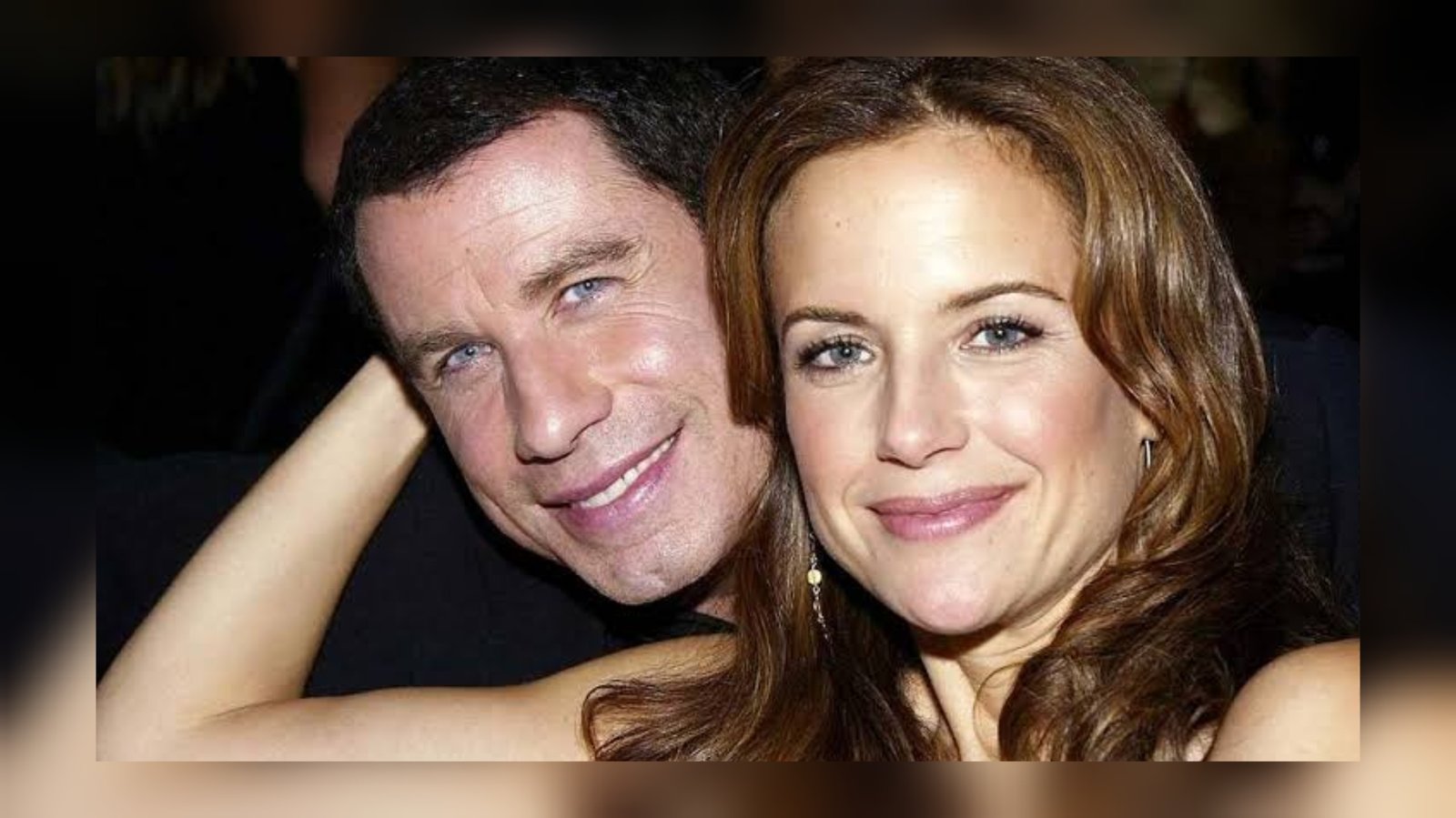
One of the most well-known aspects of Nada Stepovich’s life is her long-standing marriage to John Stockton. The couple met during their college years and married in 1986, shortly after Stockton began his NBA career.
Their relationship is often described as strong and enduring, lasting nearly four decades. Unlike many high-profile couples, Nada Stepovich and her husband have maintained a relatively private life, avoiding unnecessary media attention.

Together, they have six children, including sons who pursued professional basketball careers. Their family life reflects stability, discipline, and a focus on values rather than fame.
Nada Stepovich has played a significant role in supporting her husband’s career, particularly during his time with the Utah Jazz. Her presence provided emotional stability and helped maintain a balanced family life despite the pressures of professional sports.
Family Life and Personal Values of Nada Stepovich
Family has always been at the center of Nada Stepovich’s life. As a mother of six children, she dedicated much of her time to raising her family and ensuring a nurturing environment.
Her upbringing in a large family influenced her parenting style, emphasizing unity, discipline, and shared responsibilities. She is known to prioritize family over public recognition, choosing to remain out of the spotlight.
Her values are deeply rooted in her cultural and religious background. As a Roman Catholic, faith has played an important role in shaping her decisions and lifestyle.
Nada Stepovich’s approach to life reflects simplicity, humility, and dedication. Despite being associated with wealth and fame, she has consistently maintained a grounded and private lifestyle.
Philanthropy and Social Contributions of Nada Stepovich
Nada Stepovich has been actively involved in philanthropy, often working alongside her husband to support various charitable initiatives. While specific organizations are not widely documented, her contributions have had a meaningful impact on communities.
Her philanthropic efforts are influenced by her upbringing and her father’s legacy of public service. She believes in using resources and influence to create positive change rather than seeking personal recognition.
In addition to financial contributions, Nada Stepovich has participated in community events and social initiatives. Her involvement reflects a commitment to helping others and making a difference beyond her immediate circle.
Public Image and Media Presence of Nada Stepovich
Unlike many individuals connected to celebrities, Nada Stepovich has intentionally maintained a low public profile. She rarely appears in media interviews and does not actively engage in social media platforms.
Her public appearances are mostly limited to events attended with her husband, such as charity functions and sports-related gatherings.
This approach has helped her maintain privacy and avoid controversies, allowing her to focus on her personal and professional life without external pressures.
Her reserved nature has also contributed to the intrigue surrounding her, as many people remain curious about her life and personality.
Influence and Legacy of Nada Stepovich
Although not widely recognized in mainstream media, Nada Stepovich’s influence is significant within her family and community. Her role as a supportive partner, dedicated mother, and philanthropist highlights her impact.
Her legacy is closely tied to her values of family, humility, and service. She represents a different kind of public figure—one who chooses substance over visibility.
Her life serves as an example of how individuals can contribute meaningfully without seeking fame. In a world dominated by social media and public attention, Nada Stepovich’s approach is both refreshing and inspiring.
Interesting Facts About Nada Stepovich
Nada Stepovich comes from a politically significant family, with her father playing a key role in Alaska’s history. She grew up in a household with 13 siblings, which shaped her strong family values.
She met her husband during college, and their relationship has lasted for decades. Despite being connected to a famous athlete, she has chosen to remain private.
Her children have followed in their father’s footsteps in sports, particularly basketball. This reflects the strong athletic influence in her family life.
You May Also Like: Robert Joseph Gilliam: A Detailed and Informative Biography
Conclusion
Nada Stepovich is much more than just the wife of an NBA legend. Her life story is rooted in strong family values, cultural heritage, and personal discipline. From her upbringing in a prominent family to her role as a mother, businesswoman, and philanthropist, she has lived a life of quiet influence and purpose.
The keyword “nada stepovich” represents not just a person but a story of resilience, privacy, and meaningful contribution. Her ability to maintain a balanced life despite being connected to fame is a testament to her character.
In a world where public attention often defines success, Nada Stepovich stands out as someone who values substance over visibility. Her legacy continues through her family, her contributions, and the values she upholds.
FAQs About Nada Stepovich
1. Who is Nada Stepovich?
Nada Stepovich is an American businesswoman and media personality, best known as the wife of NBA legend John Stockton.
2. What is Nada Stepovich known for?
She is primarily known for her marriage to John Stockton and her role as a supportive partner, mother, and philanthropist.
3. How many children does Nada Stepovich have?
Nada Stepovich has six children with John Stockton.
4. What is Nada Stepovich’s background?
She comes from a prominent family, being the daughter of Mike Stepovich, the last territorial governor of Alaska.
5. Is Nada Stepovich active on social media?
No, Nada Stepovich maintains a private life and is not actively present on public social media platforms.
Introduction to Robert Joseph Gilliam
Robert Joseph Gilliam is an American personality who gained public attention primarily due to his relationship with actress Lisa Robin Kelly. While he has largely lived a private life, his name became widely recognized during the early 2010s because of his marriage to Kelly and the events surrounding her struggles with addiction and tragic passing.
Despite limited publicly available information, Robert Joseph Gilliam’s life reflects a complex blend of personal challenges, professional work in counseling, and involvement in high-profile media coverage. His story is often discussed in the context of addiction, relationships, and the impact of fame on personal lives. This article explores Robert Joseph Gilliam’s biography, career, personal life, controversies, and legacy in detail.
Quick Bio of Robert Joseph Gilliam
| Field | Details |
|---|---|
| Full Name | Robert Joseph Gilliam |
| Date of Birth | 1951 |
| Age | Approximately 73 years (as of 2024–2025) |
| Profession | Drug Counselor |
| Nationality | American |
| Known For | Marriage to actress Lisa Robin Kelly |
| Major Achievements | Work in addiction counseling |
| Net Worth | Not publicly disclosed |
Early Life of Robert Joseph Gilliam
Robert Joseph Gilliam was born in 1951 in the United States. Unlike many public figures, there is very little verified information about his early life, including his childhood, education, and family background. This lack of information suggests that he lived a relatively private life before becoming associated with a celebrity.
What is known is that Gilliam did not rise to prominence through entertainment or politics but rather through his professional work and later personal connections. His early years likely shaped his interest in helping individuals facing personal struggles, particularly in the field of addiction counseling.
His decision to pursue a career as a drug counselor indicates a commitment to helping others overcome substance abuse issues. This career path would later play a significant role in his relationship with Lisa Robin Kelly, who faced well-documented struggles with addiction.
Career and Professional Life of Robert Joseph Gilliam
The professional identity of Robert Joseph Gilliam is closely tied to his work as a drug counselor. This role involves supporting individuals dealing with substance abuse, offering guidance, therapy, and rehabilitation assistance. His experience in this field suggests he had practical knowledge of addiction recovery processes.
Working as a drug counselor is a demanding profession that requires empathy, patience, and resilience. It involves helping individuals rebuild their lives, often during their most vulnerable moments. Gilliam’s involvement in this profession highlights his dedication to mental health and addiction recovery.
Although detailed records of his career achievements are not widely available, his role as a counselor became particularly relevant when he met Lisa Robin Kelly. His professional background positioned him as someone capable of understanding and supporting individuals struggling with substance abuse, which significantly influenced their relationship.
Relationship with Lisa Robin Kelly
One of the most defining aspects of Robert Joseph Gilliam’s life is his relationship with Lisa Robin Kelly. The couple reportedly met around 2010, during a time when Kelly was dealing with severe addiction issues.
Their relationship progressed quickly, and they eventually married in October 2012. However, the marriage was short-lived and filled with challenges. Reports indicate that their relationship lasted less than a year, ending around mid-2013.
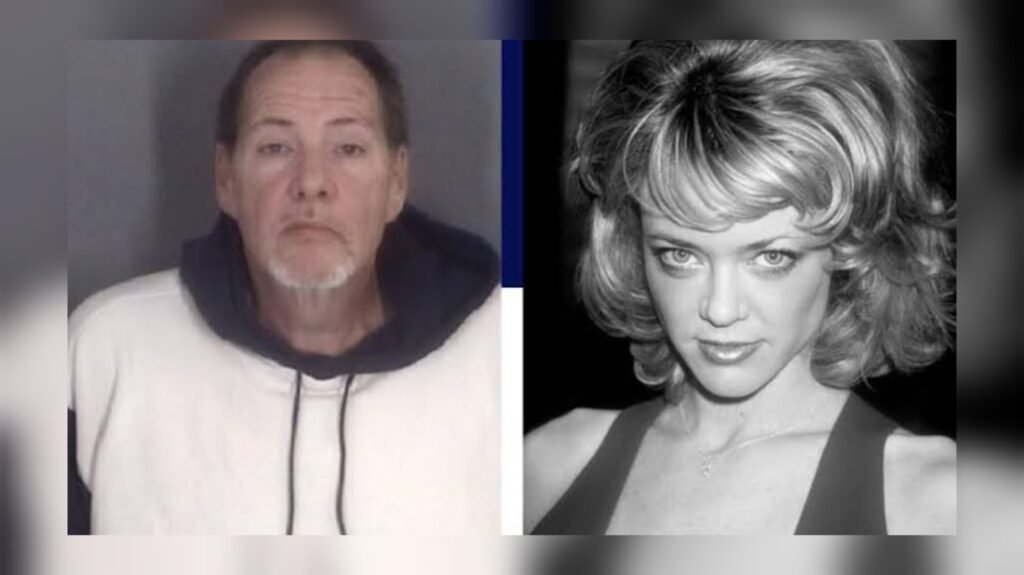
The relationship was marked by emotional and legal difficulties. Both Gilliam and Kelly faced personal struggles, and their marriage became highly publicized due to incidents involving law enforcement and domestic disputes. Despite these issues, their relationship remains a central part of Gilliam’s public identity.
Legal Issues and Public Controversies
Robert Joseph Gilliam became widely known in the media due to legal issues involving himself and Lisa Robin Kelly. In November 2012, both were arrested following a domestic disturbance at their home in North Carolina.
These incidents brought significant media attention to their relationship. Reports indicated that both individuals were charged with assault, highlighting the volatile nature of their marriage. Such controversies contributed to the public perception of Gilliam, often overshadowing his professional background.
Additionally, Gilliam was reportedly involved in legal proceedings following Kelly’s death. He filed a wrongful death lawsuit against the rehabilitation facility where she passed away, alleging negligence in her care.
These legal actions further placed him in the public eye, though much of the coverage focused on the tragic circumstances rather than his personal story.
The Tragic Death of Lisa Robin Kelly
The death of Lisa Robin Kelly in August 2013 was a turning point in Robert Joseph Gilliam’s life. Kelly died at the age of 43 while in a rehabilitation facility, with the cause later determined to be multiple drug intoxication.
At the time of her death, Gilliam and Kelly were estranged, having separated shortly before the incident. Despite this, Gilliam remained a central figure in the aftermath, particularly through his legal actions against the rehab facility.
The tragedy highlighted the severe consequences of addiction and brought renewed attention to issues surrounding mental health and substance abuse treatment. For Gilliam, it marked a deeply personal loss that also became a public event due to media coverage.
Life After Public Attention
Following the events surrounding Lisa Robin Kelly’s death, Robert Joseph Gilliam largely retreated from the public spotlight. Unlike many individuals connected to celebrities, he did not pursue media attention or public appearances.
This withdrawal suggests a preference for privacy and possibly a desire to move on from a difficult period in his life. There is little publicly available information about his activities in recent years, indicating that he has maintained a low profile.
His life after 2013 reflects a return to relative anonymity, with no significant public records of professional or personal developments. This makes him a unique figure whose public identity is almost entirely tied to a specific chapter of his life.
Personal Characteristics and Public Perception
Robert Joseph Gilliam is often portrayed as a complex individual shaped by both his profession and personal experiences. On one hand, his work as a drug counselor suggests compassion and a desire to help others. On the other hand, his involvement in legal controversies has influenced public perception.
Media portrayals have sometimes focused on the negative aspects of his life, particularly his relationship with Lisa Robin Kelly. However, it is important to consider the broader context, including the challenges faced by individuals dealing with addiction and mental health issues.
His story serves as a reminder that public figures are often more nuanced than media narratives suggest. Gilliam’s life reflects both professional dedication and personal struggles, making him a subject of interest for those exploring the human side of celebrity-related stories.
Legacy and Cultural Significance
While Robert Joseph Gilliam is not a celebrity in the traditional sense, his story holds cultural significance due to its connection with Hollywood and the broader issue of addiction.
His association with Lisa Robin Kelly places him within a narrative that highlights the darker side of fame, including substance abuse, legal troubles, and tragic outcomes. His role in her life and the events that followed contribute to ongoing discussions about mental health and the importance of proper support systems.
Gilliam’s life also underscores the impact of media attention on private individuals. Despite not seeking fame, he became widely known due to circumstances beyond his control.
You May Also Like: Margie Washichek: The Untold Story Behind a Quiet Life
Conclusion
Robert Joseph Gilliam remains a relatively private individual whose life briefly intersected with public attention due to his relationship with Lisa Robin Kelly. His background as a drug counselor reflects a commitment to helping others, while his personal experiences reveal the complexities of dealing with addiction and public scrutiny.
Although much about his life remains unknown, the available information paints a picture of a man shaped by both professional dedication and personal challenges. His story serves as a reminder of the human realities behind media headlines and the importance of empathy when discussing individuals connected to tragic events.
FAQs About Robert Joseph Gilliam
1. Who is Robert Joseph Gilliam?
Robert Joseph Gilliam is an American drug counselor best known as the former husband of actress Lisa Robin Kelly.
2. When was Robert Joseph Gilliam born?
He was born in 1951 in the United States.
3. What is Robert Joseph Gilliam’s profession?
He worked as a drug counselor, helping individuals dealing with substance abuse.
4. How long was he married to Lisa Robin Kelly?
He was married to Lisa Robin Kelly for about 10 months, from October 2012 until 2013.
5. What is Robert Joseph Gilliam doing now?
There is limited public information about his current life, as he has remained out of the spotlight since 2013.
Introduction
The name margie washichek rarely appears in headlines, yet it quietly echoes through one of the most fascinating chapters of American pop culture history. While many recognize her primarily through her early connection to , there is far more depth to her story than a simple association. In fact, understanding margie washichek requires stepping beyond the glare of celebrity and into a more grounded, human narrative—one shaped by privacy, personal choices, and the complexities of life alongside rising fame.
Unlike many individuals tied to well-known public figures, margie washichek did not seek attention, nor did she capitalize on her proximity to it. This deliberate distance from the spotlight has made her both intriguing and somewhat elusive. Yet, her story offers a compelling lens through which we can explore themes of identity, independence, and the emotional realities of relationships affected by ambition and success.
In a world where visibility often defines value, margie washichek represents a different path—one where dignity and privacy take precedence. Her life, though not widely documented, carries significance precisely because of its quiet strength and authenticity.
Quick Bio
| Field | Details |
|---|---|
| Full Name | Margie Washichek |
| Date of Birth | Not publicly disclosed |
| Age | Estimated (based on timeline, likely in her 70s) |
| Profession | Private individual (no widely documented career) |
| Nationality | American |
| Known For | First wife of Jimmy Buffett |
| Major Achievements | Maintaining a private life despite public association |
| Net Worth | Not publicly available |
Early Life and Background
Very little is publicly recorded about the early life of margie washichek, and that absence speaks volumes. She came of age in a period when personal histories were not constantly documented or shared, especially for individuals outside the entertainment industry. What can be reasonably understood is that she lived a relatively ordinary American life before becoming connected to someone whose future would be anything but ordinary.
This lack of detailed early records has contributed to a certain mystique around margie washichek. However, it also reinforces an important point: not every meaningful life is defined by public documentation. Her upbringing likely reflected the cultural values of mid-20th century America—community, modesty, and a focus on personal relationships rather than public recognition.
Marriage to Jimmy Buffett: A Defining Chapter
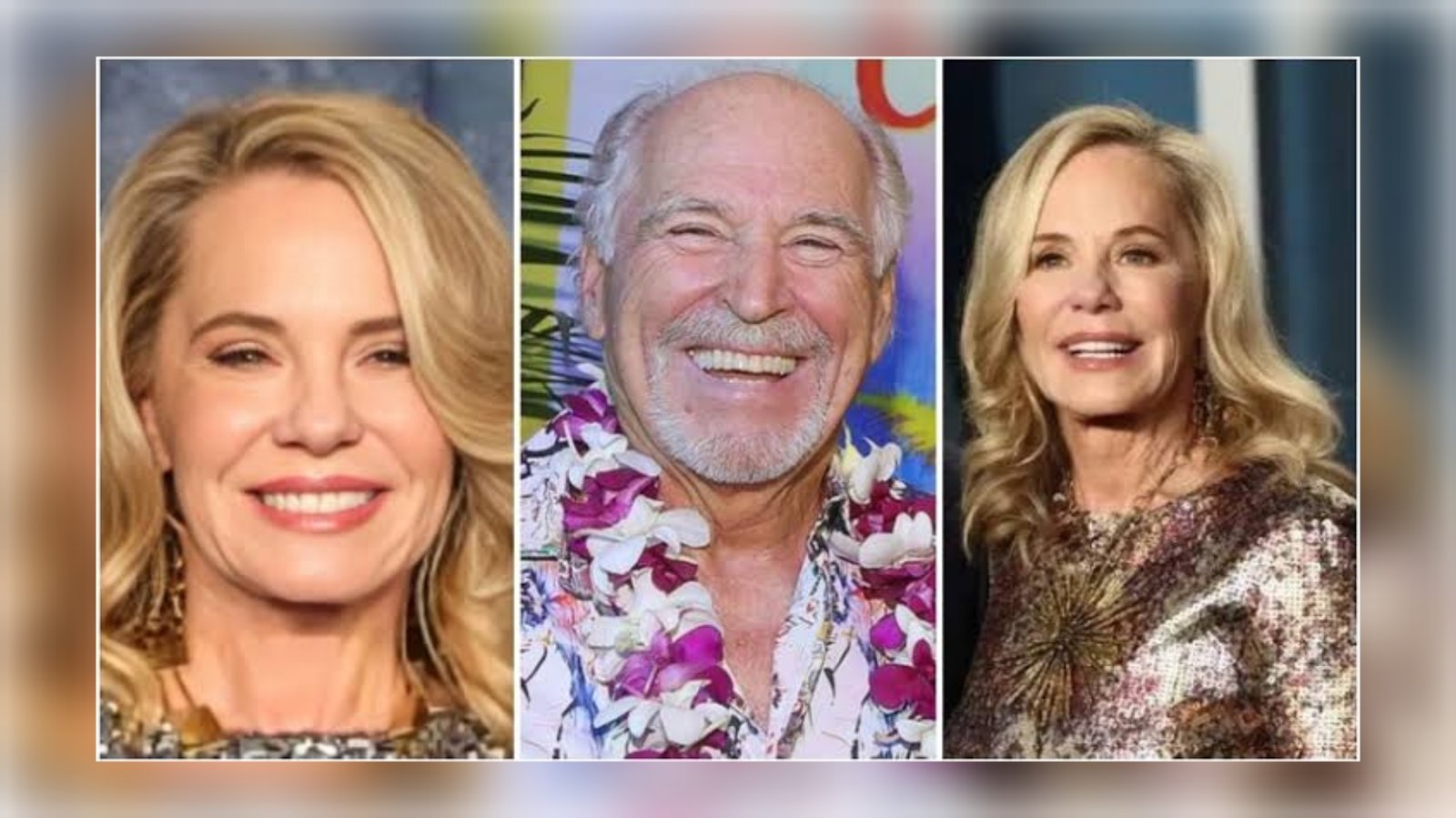
The most widely recognized chapter of margie washichek’s life began when she married in the late 1960s. At the time, Buffett was far from the global icon he would later become. He was a young musician, still searching for his voice and direction in a competitive industry.
Their relationship unfolded during a formative period in Buffett’s life, when dreams were still uncertain and success was not guaranteed. This context is essential in understanding margie washichek’s role. She was not entering a glamorous world of fame; instead, she was part of the struggle, the uncertainty, and the early ambition that often precede recognition.
Marriage during such a transitional phase can be both deeply bonding and incredibly challenging. As Buffett’s career began to take shape, the demands of the music industry—travel, creative pressure, and constant change—likely placed strain on their relationship. These are not uncommon dynamics, but they are often magnified when one partner is moving toward public prominence.
Ultimately, their marriage ended in divorce. While the reasons were never widely publicized, the separation reflects a reality many couples face: growth does not always happen in parallel.
Life Beyond the Spotlight
What distinguishes margie washichek from many others linked to celebrities is her decision to step away entirely from public life after her divorce. There were no tell-all interviews, no attempts to remain in the media, and no visible effort to leverage her past relationship for attention.
This choice is both rare and revealing. It suggests a strong sense of self and a clear understanding of personal boundaries. In an era where even fleeting associations with fame can lead to long-term visibility, margie washichek chose a different path—one defined by privacy and independence.
Her life after the divorce remains largely undocumented, but that absence should not be mistaken for insignificance. Instead, it reflects a deliberate commitment to living on her own terms, away from external scrutiny.
The Human Side of Being Connected to Fame
To truly understand margie washichek, it is important to consider the emotional dimensions of her experience. Being closely connected to someone on the verge of fame can be both exciting and overwhelming. There is often a sense of shared purpose, but also an undercurrent of uncertainty.
As Buffett’s career evolved, his identity became increasingly tied to his public persona. For someone like margie washichek, this shift may have created a growing divide between private life and public image. Navigating that divide requires resilience and adaptability, qualities that are rarely acknowledged but deeply significant.
Her story highlights a broader truth: behind every public figure, there are individuals whose lives are quietly shaped by that journey. These individuals often carry emotional narratives that remain unseen, yet they are integral to the larger story.
Why Margie Washichek Still Matters
It might seem unusual to focus on someone who has intentionally remained out of the spotlight, but that is precisely why margie washichek matters. In a culture that often equates visibility with importance, her life challenges that assumption.
She represents a different kind of significance—one rooted in authenticity rather than recognition. Her story invites us to reconsider how we define impact and value. Not all influence is public, and not all meaningful lives are widely known.
Moreover, her connection to Jimmy Buffett provides historical context to his early years, offering a more complete picture of his journey. Understanding margie washichek helps humanize a figure who is often seen only through the lens of success.
Lesser-Known Insights and Interpretations
One of the most intriguing aspects of margie washichek’s story is the absence of controversy or sensationalism. In a time when personal relationships are often dissected and publicized, her narrative remains remarkably respectful and undramatic.
This suggests that her relationship with Buffett, despite its eventual end, was grounded in mutual respect. It also indicates a level of emotional maturity that is not always present in high-profile separations.
Another important insight is the timing of her marriage. Being part of Buffett’s life before his rise to fame means that margie washichek experienced a version of him that the public never fully saw. This perspective, though private, is invaluable in understanding the full scope of his evolution.
Privacy as a Powerful Choice
In today’s digital age, privacy is often seen as something to be managed rather than embraced. Margie washichek’s life offers a powerful counterpoint. Her decision to remain private is not a sign of withdrawal, but rather an assertion of control over her own narrative.
This perspective reframes privacy as a strength rather than a limitation. It highlights the idea that not all stories need to be shared to be meaningful. In fact, some of the most profound lives are those lived quietly, without the need for external validation.
You May Also Like: Kathy Ambush: The Untold Story Behind a Quiet Life
Conclusion
The story of margie washichek is not one of fame, fortune, or public recognition. Instead, it is a story of quiet resilience, personal choice, and the strength to step away from the spotlight. While her connection to provides context, it does not define her entirely.
Her life reminds us that significance is not always visible. It can exist in the decisions we make, the boundaries we set, and the authenticity we maintain. Margie washichek’s story may not be widely told, but it is deeply meaningful in its own right.
In a world that often celebrates noise, her silence speaks volumes.
FAQs
Who is margie washichek?
Margie washichek is best known as the first wife of Jimmy Buffett, though she has lived a largely private life outside of that connection.
Was margie washichek involved in the entertainment industry?
No, there is no public record suggesting that margie washichek pursued a career in entertainment or media.
When did margie washichek marry Jimmy Buffett?
She married Jimmy Buffett in the late 1960s, before he became widely famous.
Why is there so little information about margie washichek?
Margie washichek chose to live a private life and did not seek public attention after her divorce, which is why limited information is available.
What makes margie washichek’s story important?
Her story highlights the value of privacy, personal strength, and the often-overlooked human experiences behind public figures.

Asbestlint Risks Explained: Safety, Detection, Prevention

Recyclatanteil Guide: Boost Sustainability and Impact

The Power and Meaning of “ğş” in Digital Culture Today

Kathy Yankovic: A Life of Creativity, Family, and Quiet Influence

Keelin Noel Garcia: Life, Legacy and Private Journey
