
Biography
Shirley Kyles: A Story of Faith and Resilience

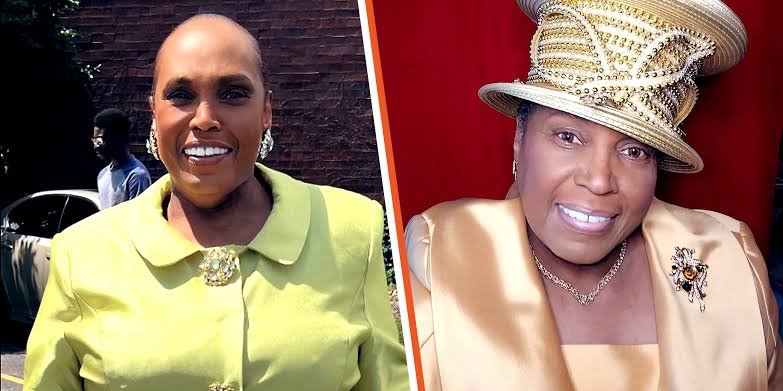
Shirley Kyles is best known to many as the former wife of legendary soul singer Al Green, but her life story extends far beyond that connection. Shirley Kyles was a woman of faith, resilience, and quiet determination whose personal journey reflects strength in the face of adversity. While much of the public attention surrounding her name relates to her marriage, the fuller picture of Shirley Kyles reveals a deeply human story rooted in family, courage, and personal conviction.
This comprehensive article explores the life of Shirley Kyles in depth — from her early years to her marriage, her challenges, her advocacy, and the legacy she leaves behind.
Biographical Overview of Shirley Kyles
Below is a concise informational summary of Shirley Kyles’ life.
| Full Name | Shirley Anne Watts Kyles Green |
|---|---|
| Date of Birth | July 28, 1948 |
| Place of Birth | United States |
| Nationality | American |
| Religion | Christian (Baptist background) |
| Known For | Former wife of Al Green; resilience and advocacy |
| Marriage | Married to Al Green (1977–1983) |
| Children | Three daughters |
| Date of Passing | July 17, 2023 |
| Age at Passing | 74 |
Early Life of Shirley Kyles
The early life of Shirley Kyles was shaped by faith, family values, and a strong moral foundation. Born on July 28, 1948, she grew up in a religious household that emphasized discipline, spirituality, and service. Her upbringing in a Christian environment would later become a guiding force in her adult life, especially during difficult seasons.
The cultural landscape of mid-20th-century America played an important role in forming her worldview. Growing up during a time of social change and evolving gender roles, Shirley Kyles witnessed transformations in civil rights, faith communities, and family structures. These shifts would influence both her personal development and her understanding of resilience.
From an early age, she was involved in church activities and gospel traditions, a path that would eventually intersect with one of the most famous voices in soul music.
Shirley Kyles and Al Green: A Marriage in the Spotlight
Meeting Al Green
The life of Shirley Kyles took a dramatic turn when she met Al Green in the mid-1970s. Their meeting reportedly took place within a church setting, where shared faith and musical interests created an immediate connection.
At the time, Al Green was already a celebrated soul singer known for timeless hits such as “Let’s Stay Together.” Though he had experienced both commercial success and a spiritual awakening that led him toward gospel ministry, his life remained closely watched by the public.
Shirley Kyles entered this world of visibility and fame during a period when Green’s career was evolving from secular soul to gospel ministry.
Marriage and Family Life
Shirley Kyles and Al Green married in 1977 in Memphis, Tennessee. Their union brought together faith, music, and public attention. Over the course of their marriage, the couple welcomed three daughters into their family.
Motherhood became one of the most important roles in Shirley Kyles’ life. While the spotlight often focused on her husband’s career, she dedicated herself to raising their children and maintaining stability within the household.
However, the marriage was marked by turbulence. Court records and public statements from the period confirm that Shirley Kyles filed for divorce more than once, citing irreconcilable differences and instances of domestic abuse. The relationship was characterized by separations and reconciliation attempts before the divorce was finalized in 1983.
The Challenges Faced by Shirley Kyles
Domestic Struggles and Public Scrutiny
The marriage between Shirley Kyles and Al Green did not remain entirely private. Legal filings revealed allegations of physical abuse, some of which were later acknowledged in court proceedings. These revelations brought public attention to the personal struggles she endured.
Living in the shadow of a celebrity often complicates personal hardship. For Shirley Kyles, navigating both marital conflict and public awareness required tremendous emotional strength.
Despite these circumstances, she maintained dignity and composure, focusing primarily on protecting her children and rebuilding her life.
Divorce and Moving Forward
The divorce in 1983 marked a significant turning point for Shirley Kyles. Ending a high-profile marriage is never simple, particularly when children are involved. Yet this chapter allowed her to step away from public controversy and prioritize healing.
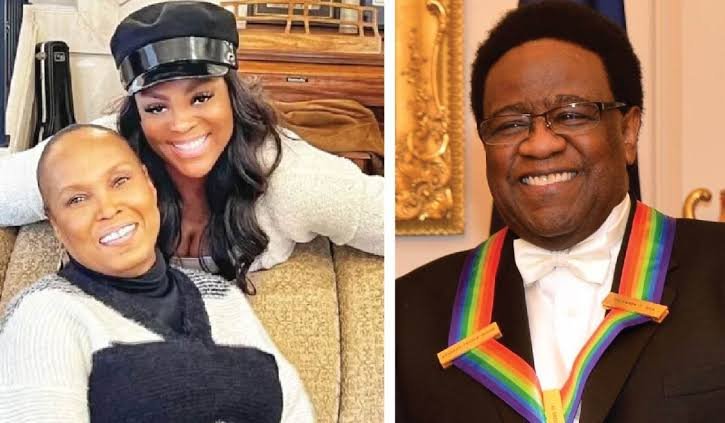
Her decision to separate from a harmful environment demonstrated resolve and courage. Rather than allowing adversity to define her, Shirley Kyles gradually reclaimed her independence.
Faith as the Foundation of Shirley Kyles’ Strength
Faith was not merely a background detail in the life of Shirley Kyles — it was central to her identity. Her Baptist upbringing instilled values that sustained her during personal turmoil.
After her divorce, Shirley leaned more deeply into her spiritual beliefs. For many individuals who experience trauma, faith becomes a source of renewal. In her case, religion offered emotional refuge and direction.
Her story resonates with others who have relied on belief systems to find clarity and resilience after hardship. Shirley Kyles’ faith provided both grounding and empowerment.
Shirley Kyles as an Advocate for Survivors
Speaking Through Experience
One of the most meaningful aspects of Shirley Kyles’ later life was her willingness to share her experiences. By speaking openly about domestic violence, she contributed to broader conversations surrounding abuse in relationships.
At a time when such issues were less openly discussed, her voice helped normalize the reality that abuse can occur in any household — regardless of fame or success.
Her personal testimony became a form of advocacy. Through honesty, she offered solidarity to women who felt isolated or unheard.
Empowerment Through Resilience
The legacy of Shirley Kyles extends beyond her marriage. She transformed personal pain into a platform for awareness. By refusing to remain silent, she helped shift conversations toward accountability and support for victims.
Her resilience stands as an example of reclaiming identity after adversity. Rather than being remembered solely as a former spouse of a celebrity, she became recognized as a woman of conviction.
Shirley Kyles and Her Children
Family remained central to the life of Shirley Kyles. She and Al Green shared three daughters, and she dedicated much of her energy to raising them with stability and care.
Despite the challenges of divorce and public attention, she prioritized their education and well-being. Reports indicate that her children pursued successful and independent paths, reflecting the values instilled by their mother.
Parenthood often defines legacy more deeply than public recognition. In this regard, Shirley Kyles’ impact continues through the lives of her daughters.
Life After Public Attention
After the conclusion of her marriage, Shirley Kyles chose a quieter path. She did not seek media exposure or public fame. Instead, she lived privately, grounded in faith and family.
This decision speaks to her character. Many individuals associated with celebrities remain in the spotlight, but she embraced a life away from constant scrutiny.
Her later years were marked by dignity and reflection rather than controversy.
The Passing of Shirley Kyles
Shirley Kyles passed away on July 17, 2023, at the age of 74. Her death marked the closing of a life that had endured both hardship and growth.
Her passing prompted renewed interest in her story, with many reflecting on her courage and quiet influence. While she may not have sought widespread recognition, her experiences contributed to meaningful cultural conversations.
The Broader Cultural Impact of Shirley Kyles
A Symbol of Strength
The life of Shirley Kyles illustrates the complexities behind public relationships. Her story reminds audiences that behind fame and music careers are real individuals navigating personal challenges.
By standing firm during difficult circumstances, she became a symbol of strength for many.
Redefining Her Narrative
It is easy for public narratives to reduce individuals to a single role — in this case, “the wife of a famous singer.” Yet Shirley Kyles’ identity encompassed far more: mother, believer, survivor, and advocate.
Her narrative encourages deeper reflection on how society views women connected to powerful public figures. She demonstrated that personal integrity and courage matter more than public labels.
Why Shirley Kyles Continues to Be Searched Today
Interest in Shirley Kyles continues for several reasons. Some seek historical clarity about her marriage to Al Green. Others are researching family lineage or learning about influential women connected to cultural icons.
Additionally, discussions around domestic abuse awareness keep her story relevant. Her experiences highlight the importance of addressing violence within relationships and offering support to survivors.
The enduring search interest in her name shows that her story remains meaningful decades later.
More From Info:https://senavenmagazine.co.uk/julia-gale-nye/
Conclusion: The Enduring Legacy of Shirley Kyles
The story of Shirley Kyles is one of faith, resilience, and quiet strength. Though many first encounter her name through her connection to Al Green, her life stands independently as a testament to courage.
She endured public scrutiny, navigated personal hardship, raised three children, and emerged as an advocate for those facing abuse. Rather than allowing adversity to silence her, she transformed it into empowerment.
Shirley Kyles reminds us that legacy is not measured solely by fame or recognition. It is measured by the lives touched, the strength displayed in hardship, and the values carried forward.
Her life encourages compassion, accountability, and the courage to reclaim one’s voice. In remembering Shirley Kyles, we honor not only her story but also the countless individuals who rise above adversity with dignity and grace.
Frequently Asked Questions About Shirley Kyles
1. Who was Shirley Kyles?
Shirley Kyles was an American woman best known as the former wife of soul singer Al Green. She later became recognized for her resilience and openness regarding domestic abuse.
2. When was Shirley Kyles born?
She was born on July 28, 1948.
3. How long was Shirley Kyles married to Al Green?
Shirley Kyles was married to Al Green from 1977 until their divorce in 1983.
4. Did Shirley Kyles have children?
Yes, she had three daughters during her marriage.
5. When did Shirley Kyles pass away?
She passed away on July 17, 2023, at the age of 74.
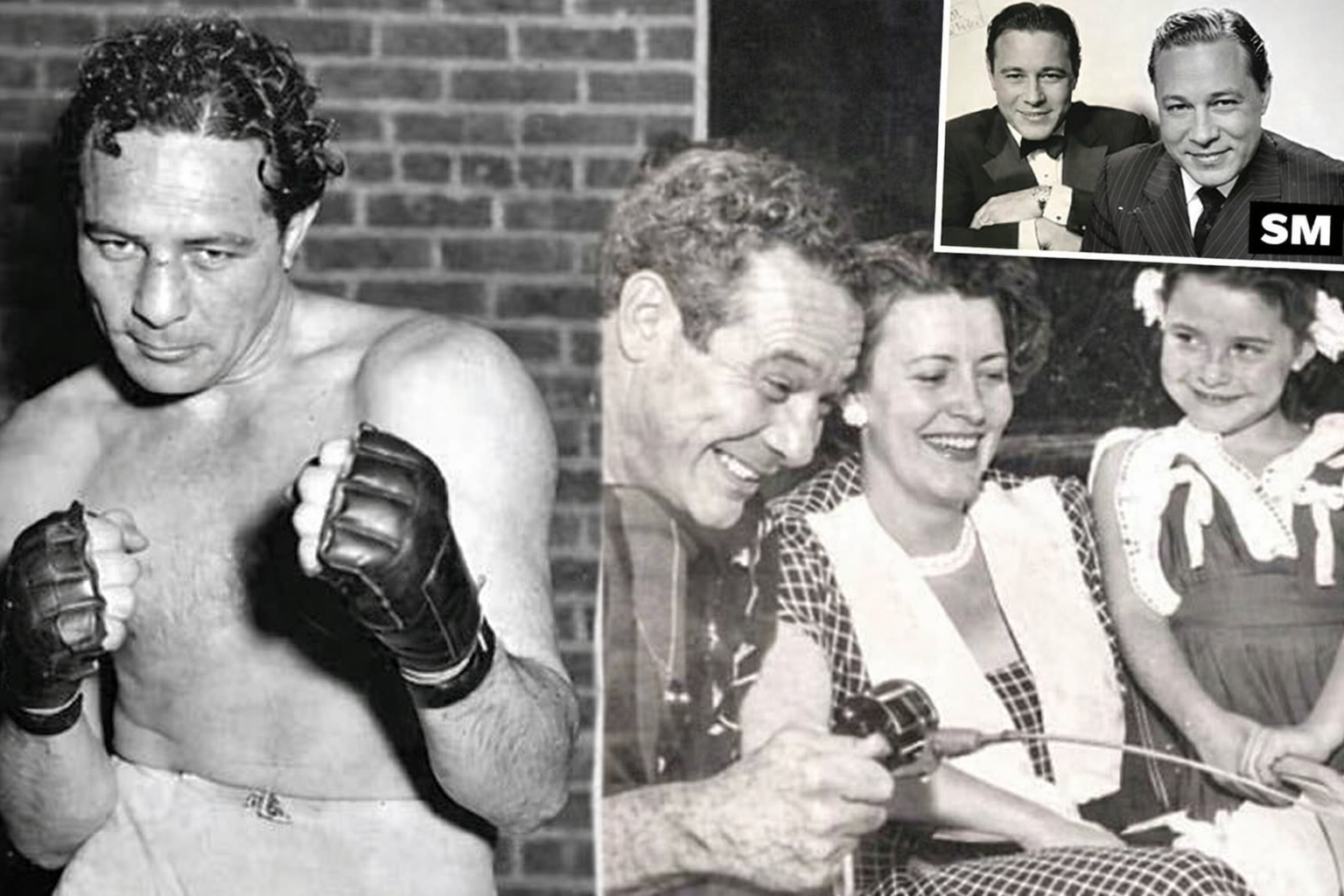
Introduction
In the grand tapestry of American cultural history, some names light up the sky with the intensity of shooting stars — bold, brilliant, unmistakable. Others smolder quietly in the background, their warmth and depth felt by those who look closely enough. Among the latter stands maudie marian baer, a woman whose life story, though seldom in the spotlight, reveals a profound narrative about heritage, identity, privacy, and personal choice. Daughter of one of boxing’s most celebrated champions and sibling to a beloved television star, Maudie’s life whispers truths about strength that aren’t measured in applause or headline fame. Her journey prompts us to explore what it means to carry a remarkable name while carving out a life defined not by external recognition but by inner coherence and quiet purpose.
Quick Bio
| Full Name | Maudie Marian Baer |
|---|---|
| Date of Birth | March 8, 1944 |
| Age | 81 (as of 2025) |
| Profession | Private individual (no public profession) |
| Nationality | American |
| Known For | Daughter of Max Baer Sr. |
| Major Achievements | Maintained personal privacy and legacy stewardship |
| Net Worth | Approx. $1.7 million (2018 estimate) |
The story of maudie marian baer is not written in blockbusters or boxing belts, but in the subtler, truer measures of a life lived on her own terms.
Early Life and Family Background
To understand Maudie’s life is to step into the world of mid-twentieth-century American celebrity, where the public glare often shone loudly upon families who never asked for it. Born in 1944 in California to Max Baer Sr. and his second wife, Mary Ellen Sullivan, Maudie entered a household already steeped in fame and public expectation. Her father, Maximilian Adalbert Baer, had been crowned World Heavyweight Boxing Champion in 1934 — a monumental achievement that made him a cultural icon. His powerful personality, athletic brilliance, and later appearances in films ensured that the Baer name was etched into the American consciousness.
Yet even amidst such prominence, Maudie’s upbringing was shaped by two contrasting currents: the dynamic external life of her father’s public world and the quieter, nurturing presence of her mother. Mary Ellen Sullivan, a strong and stabilizing influence, raised her children with a focus on integrity, family cohesion, and a deep sense of personal dignity. It was this foundation — rooted in values rather than spotlight — that would profoundly influence Maudie’s choices as she matured.
As the youngest of three siblings, Maudie’s familial environment was both rich in history and intensely personal. Her older brothers — Max Baer Jr., later known for his television success, and James Manny Baer — each followed distinct paths, yet Maudie’s presence remained singular: quietly observant, deeply grounded, and thoughtfully introspective.
The Shadow and Light of Her Father, Max Baer Sr.
Max Baer Sr.’s life was as dramatic as any film script: from rousing victories in the ring to forays into Hollywood, he embodied a blend of brawn and charisma rarely seen in his era. His 1934 victory over Primo Carnera to win the world heavyweight title was a defining moment in sports history. His affable demeanor, sharp wit, and films such as Africa Screams and The Harder They Fall enshrined him not just as athlete but entertainer.
Yet parenting in the shadow of fame carries its own complexities. For young Maudie, her father’s public life offered both fascination and tension — a dynamic interplay between admiration and the desire for her own distinct identity. When Max Sr. died suddenly in 1959 from a heart attack, Maudie was only fifteen. That loss at such a formative age contributed to her developing a perspective on life that valued depth over spectacle, introspection over exposure.
The emotional influence of her father lingered, not as a weight, but as a backdrop against which she defined her own priorities — particularly the fundamental belief that a meaningful life need not be broadcast.
A Life Chosen Outside the Limelight
While many children of iconic figures in sports and entertainment either embrace the family name or recoil from it with equal fervor, Maudie’s response was shaped by balance rather than reaction. She pursued her education with seriousness, valuing knowledge not as a commodity but as a pathway to autonomy. Though details of her schooling and early adulthood are scarce — precisely because she avoided media attention — those who have studied her story recognize in her a firm commitment to self-determination.
Unlike her brother Max Baer Jr., who pursued a career in acting and reaped the rewards of fame, Maudie abstained from public life entirely. She never granted interviews, launched memoirs, or pursued celebrity in any form. She became, in many respects, an individual defined not by fanfare but by her own choices.
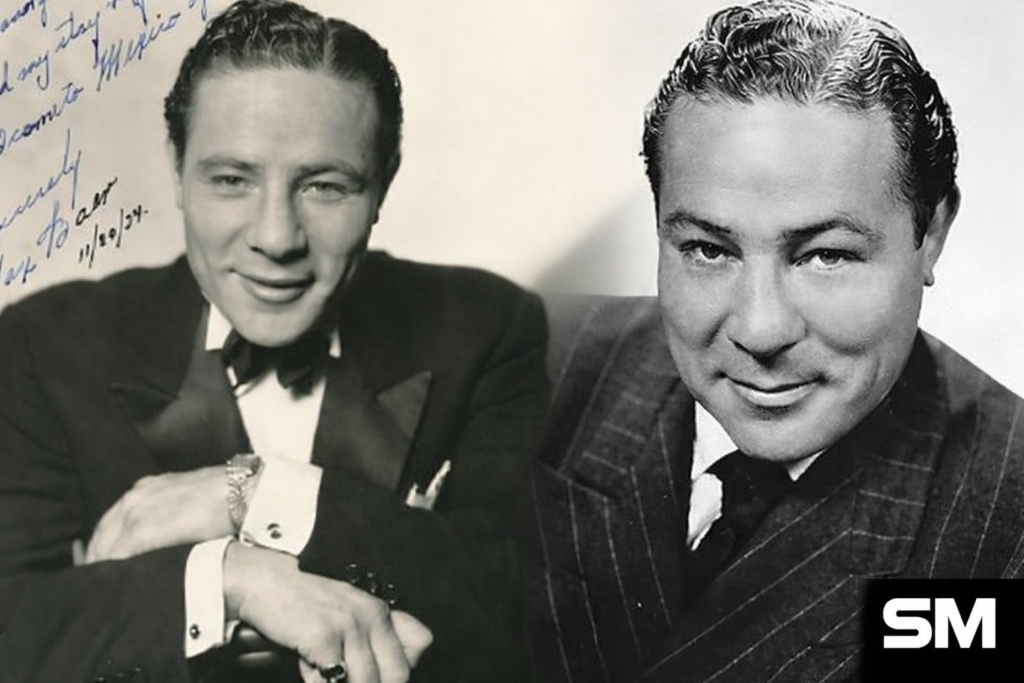
Financial independence for Maudie came through inheritance and sound management rather than commercial pursuits. Her estimated net worth of approximately $1.7 million, based largely on her father’s estate valuation in 2018, afforded her a level of security that enabled her to live life by preference rather than demand.
Her life stands in contrast not because it lacks achievement, but because her achievements are measured in freedoms often overlooked by public narratives: the freedom to choose privacy, to shape personal identity without external pressure, and to define legacy on internal terms.
Personal Relationships and Choices
The private nature of maudie marian baer extends into the most intimate aspects of her life. Little information is publicly available about her romantic relationships or marital status, a silence that speaks more about her priorities than any void in her experience. In a world where celebrity can often obscure personal truths, her choice to withhold these details from public record demonstrates a steadfast commitment to self-possession.
This deliberate privacy has led to speculation at times, yet also commands respect. Lives lived with intentional anonymity are rare, especially within families shaped by public achievement. Maudie’s quietly maintained boundaries reveal a tenderness for her own interior world — a world that valued sincerity over performance.
Family Bonds and Enduring Loss
Maudie’s relationships with her siblings further illuminate her character. Her brother Max Baer Jr.’s career brought him sustained visibility, including unforgettable roles that had audiences laughing around dinner tables across America. Yet Maudie’s connection with him, like much of her life, remained deeply personal rather than performatively public. The passing of her brother James Manny Baer in 2009 marked another chapter of private mourning in her life.
Within her family, Maudie became a quiet anchor — a living testament to enduring familial love that does not require applause or headlines to matter. It is a form of strength too often neglected in cultural storytelling, where sensational narratives overshadow quieter truths.
You May Also Like: Venico Cimber: A Quiet Life Shaped by Hollywood Bloodlines
Legacy: A Life of Subtle Influence
The legacy of maudie marian baer is neither written in script nor etched on trophy plates. It resides in lived choices — the choice to honor her family’s history without surrendering her selfhood to it, the choice to cultivate personal meaning beyond legacy fame, and the choice to shield her life from the voracious gaze of public scrutiny. Her story invites reflection on a deeper cultural question: what does it mean to belong to a significant history without being consumed by it?
In Maudie’s example, we find that legacy is neither inherited nor imposed but negotiated every day, in quiet decisions and personal integrity.
Conclusion
maudie marian baer may not headline biographies or command museum retrospectives, yet her life resonates with dignity, quiet resolve, and thoughtful independence. She teaches us that inheritance of greatness does not obligate imitation of fame, and that a life of purpose — grounded in authenticity rather than acclaim — is among the most courageous paths one can take.
Her existence enriches the broader narrative of the Baer family not as a footnote but as a living testament to the power of self-definition. In the enduring dialogue between public history and personal truth, Maudie’s life reminds us that some stories are told best not through spotlight but through serene, unassuming depth.
FAQs
Who is Maudie Marian Baer?
Maudie Marian Baer is the daughter of heavyweight boxing champion Max Baer Sr. and his second wife, Mary Ellen Sullivan. Born in 1944, she became known not for public achievement but for leading a private life beyond the glare of fame.
What is Maudie Marian Baer known for?
While not a public figure in her own right, Maudie is recognized as part of the iconic Baer family. Her legacy lies in her deliberate choice of privacy and personal autonomy in contrast to her father’s and brother’s public lives.
Is Maudie Marian Baer still alive?
As of the most recent credible information up to 2025, Maudie Marian Baer is believed to be alive, living a private life, and would be around 81 years old.
What did Maudie Marian Baer do professionally?
Unlike many children of celebrities, Maudie chose not to pursue a public profession or career. Her professional life remains private and unrecorded in public databases; her stability appears to have been maintained through inheritance and personal pursuits.
Why is Maudie Marian Baer less known than her family members?
Maudie deliberately avoided media exposure and public career paths, opting for a private life. Her choice to maintain personal boundaries and anonymity has kept her out of the spotlight, rendering her story less visible yet uniquely compelling.

Introduction
The name tate james rytky does not echo across red carpets or headline entertainment blogs in the way many celebrity children’s names often do. Instead, it carries something quieter and, in many ways, more compelling. Born into a household connected to television history, Tate has grown up in proximity to fame without being consumed by it. His life tells a different kind of story—one rooted in balance, privacy, emotional intelligence, and the careful shaping of identity beyond inherited spotlight.
In an age where visibility is currency and personal milestones are often broadcast in real time, the path chosen by tate james rytky feels intentional. It reflects thoughtful parenting, self-awareness, and the desire to experience youth without the weight of constant public scrutiny. While many know him as the son of actress Andrea Barber, his story extends beyond that connection. To understand who he is, one must look not only at his family ties but also at the environment that shaped him and the choices that continue to define his journey.
Quick Bio
| Full Name | Tate James Rytky |
|---|---|
| Date of Birth | April 30, 2004 |
| Age | 21 years old (as of 2025) |
| Profession | Student / Private Individual |
| Nationality | American |
| Known For | Son of Andrea Barber and cameo appearance in television |
| Major Achievements | Maintaining privacy while connected to public legacy |
| Net Worth | Not publicly disclosed |
Early Life and Family Foundation
From the beginning, tate james rytky was raised within a unique intersection of public recognition and personal normalcy. Born in 2004, he arrived at a time when his mother had already secured her place in American television history through her iconic role in Full House and later its sequel, Fuller House. Yet despite that connection, his upbringing was deliberately grounded.
His parents prioritized emotional security and stability over industry exposure. Rather than growing up on studio sets or being thrust into auditions and promotional events, Tate’s childhood unfolded in a relatively private environment. He attended school like other children, formed friendships outside entertainment circles, and developed interests separate from Hollywood expectations.
Family life played a central role in shaping his worldview. Growing up alongside his younger sister, he experienced the closeness of sibling bonds and the everyday rhythms of family routines. Even when his parents later separated, co-parenting remained focused on providing consistency and emotional reassurance. That atmosphere of respect and care created a foundation strong enough to support personal growth without external noise dictating his development.
Growing Up Near Fame Without Being Defined by It
Being connected to a well-known television figure can create a complicated dynamic for a child. On one hand, there are opportunities and experiences that few others encounter. On the other, there is the subtle pressure of expectation. For tate james rytky, the balance appears to have leaned toward protection rather than promotion.
Unlike many celebrity children who grow up in front of cameras, Tate’s appearances were rare and measured. His most visible public moment came through a brief cameo in Fuller House. The appearance was modest, almost symbolic, rather than a career launch. It served as a gentle nod to his mother’s legacy rather than an attempt to establish his own presence in the entertainment industry.
What stands out is what did not follow. There were no follow-up roles, no aggressive push toward acting, and no media circuit aimed at building recognition. That absence speaks volumes. It suggests a family decision rooted in long-term well-being rather than short-term visibility.
Education and Personal Development
Education has quietly shaped much of Tate’s trajectory. While specific institutions remain private, it is evident that academic growth has been central to his formative years. His upbringing emphasized intellectual curiosity and thoughtful engagement with the world. Rather than measuring success by fame or financial headlines, the focus appeared to be on personal fulfillment and learning.
For a young adult in his early twenties, these years are often about exploration. College, community involvement, and expanding social networks typically define this stage of life. In the case of tate james rytky, this period represents a bridge between childhood privacy and adult independence.
The absence of public spectacle around his academic life further reinforces a consistent theme: intentional discretion. In a time when many students document every achievement online, Tate’s quieter approach suggests comfort with living fully without constant external validation.
The Influence of a Recognizable Parent
It would be impossible to explore the story of tate james rytky without acknowledging the impact of his mother’s career. Andrea Barber became a beloved television figure for portraying Kimmy Gibbler, a character remembered for her quirky humor and loyal friendship. That role shaped an entire generation’s television memories.
However, what matters more than the fame itself is how it was handled within the home. Children of public figures often absorb either the pressures of maintaining an image or the lessons learned from navigating public scrutiny. In Tate’s case, the example set before him appears to have been one of humility and resilience.
Andrea Barber stepped away from acting for several years before returning for Fuller House. That pause demonstrated that career identity is not the only form of identity that matters. For a child observing that decision, it likely reinforced the idea that personal well-being and family come first. Such examples shape how a young adult perceives ambition, success, and balance.
Privacy in the Digital Age
Perhaps the most defining characteristic of tate james rytky is his relationship with privacy. Growing up in the era of social media, he belongs to a generation accustomed to constant digital exposure. Yet he has chosen a markedly restrained presence.
In many ways, this choice reflects maturity. Social platforms often blur the lines between authenticity and performance. For someone connected to public recognition, the temptation to cultivate a brand can be strong. Tate’s avoidance of heavy digital self-promotion suggests a deliberate resistance to that pressure.
Privacy does not equate to isolation. Instead, it signals a desire to experience life directly rather than through a curated lens. By maintaining boundaries, he has preserved the space to grow organically, free from the magnified judgment that can accompany public life.
Emotional Resilience and Personal Identity
Children raised near fame sometimes struggle with defining themselves outside of inherited narratives. The question of “Who am I beyond my parent’s career?” can quietly shape adolescence and early adulthood. In observing the path of tate james rytky, one sees signs of thoughtful self-definition rather than reactive rebellion.
There is strength in choosing not to compete with a parent’s public achievements. Instead of attempting to mirror or surpass that legacy, Tate seems to be carving his own direction at a pace that feels authentic. That approach reflects emotional resilience and self-awareness.
Resilience also shows in how he navigated family changes. The separation of parents can be a significant emotional event for any child. When managed with respect and care, however, it can also teach adaptability and empathy. The continued focus on stability appears to have allowed him to move forward without public turmoil overshadowing his development.
Public Curiosity Versus Personal Boundaries
Public curiosity about celebrity families often extends beyond what is reasonable. Fans of beloved shows naturally wonder about the children of the actors they admire. Yet curiosity does not grant entitlement. The story of tate james rytky highlights the importance of respecting boundaries.
While occasional glimpses into his life surface through family events or rare appearances, the broader narrative remains his to tell. This separation between public curiosity and personal autonomy is essential. It protects not only privacy but also psychological well-being.
In an industry known for blurring lines, maintaining that separation requires conscious effort. The fact that Tate has grown into adulthood without significant controversy or intrusive exposure speaks to a carefully maintained boundary between public legacy and private life.
The Transition Into Adulthood
At twenty-one, tate james rytky stands at a pivotal stage. Early adulthood is a time of self-discovery, experimentation, and decision-making. Whether his future lies in academia, business, creative pursuits, or an entirely different field, the groundwork laid during childhood will influence those choices.
What seems most significant is that his options are not limited by expectation. He is not publicly tied to a specific path. That freedom allows exploration driven by interest rather than obligation. It is a powerful position to hold, especially for someone born into public recognition.
Adulthood will inevitably bring greater independence and, perhaps, greater visibility. Yet the pattern established thus far suggests that any public steps forward will be measured and intentional.
More From Info: The Private World of naval ravikant wife Revealed
A Legacy Defined by Choice
The narrative surrounding tate james rytky is not dramatic or sensational. Instead, it is steady and thoughtful. His life illustrates that legacy does not have to mean replication. It can mean honoring the past while stepping confidently into an independent future.
By maintaining privacy, prioritizing education, and avoiding unnecessary publicity, Tate demonstrates that visibility is not the only measure of significance. Sometimes, strength lies in restraint.
His story also reminds us that children of public figures are individuals first. They deserve the same space to grow, make mistakes, and discover themselves as anyone else. The difference lies only in the backdrop against which that growth unfolds.
Conclusion
The life of tate james rytky offers a refreshing contrast to the typical narrative of celebrity offspring. Rather than chasing attention, he has embraced discretion. Rather than capitalizing on inherited fame, he has chosen personal development. And rather than allowing public curiosity to define him, he has maintained boundaries that protect his sense of self.
In a culture driven by constant exposure, his approach feels almost radical in its simplicity. It reflects thoughtful parenting, emotional maturity, and a quiet confidence that does not require applause. As he continues to shape his future, the most compelling aspect of his story will likely remain the same: the deliberate choice to live authentically, beyond the shadow of celebrity.
FAQs
What is tate james rytky best known for?
Tate James Rytky is best known as the son of actress Andrea Barber and for his brief cameo appearance in Fuller House. However, he is primarily recognized for maintaining a private life despite his family’s public recognition.
How old is tate james rytky?
He was born on April 30, 2004, which makes him 21 years old as of 2025.
Did tate james rytky pursue acting like his mother?
Although he made a small appearance in Fuller House, there is no indication that he has pursued acting as a professional career. His focus appears to be on education and personal growth.
Why is tate james rytky rarely seen in public?
He and his family have chosen to maintain a low profile. This decision allows him to grow and explore his interests without constant public attention.
What might the future hold for tate james rytky?
While his exact path remains private, his upbringing suggests that he will pursue opportunities aligned with his personal interests rather than external expectations.

Introduction
The curiosity surrounding naval ravikant wife reflects something deeper than simple celebrity interest. When a public thinker speaks openly about wealth, happiness, freedom, and inner peace, people naturally wonder about the life he lives behind closed doors. What does his marriage look like? Who stands beside him in moments the public never sees? These questions follow figures like Naval Ravikant not because of gossip, but because personal relationships often shape philosophy more than business ever could.
Naval has built a reputation as a modern-day philosopher of the startup world. His words on leverage, specific knowledge, meditation, and long-term thinking are quoted across the internet. Yet while his ideas circulate widely, his personal life remains deliberately shielded. That contrast has only intensified interest in naval ravikant wife.
The truth is quieter than many expect. There is no dramatic spotlight, no carefully curated media presence, and no celebrity-driven narrative. Instead, there is a private partnership built on intention. In a culture obsessed with visibility, their restraint itself becomes a story worth understanding.
Quick Bio
| Full Name | Krystle Cho |
|---|---|
| Date of Birth | Circa mid-1980s |
| Age | Late 30s to early 40s (approx.) |
| Profession | Designer and Creative Professional |
| Nationality | American |
| Known For | Being the spouse of Naval Ravikant and her work in design |
| Major Achievements | Contributions to visual and user experience design; creative collaborations in tech-oriented environments |
| Net Worth (if applicable) | Not publicly disclosed |
Who Is Krystle Cho Beyond the Spotlight?
When discussing naval ravikant wife, it is essential to begin with respect for individuality. Krystle Cho is not simply an extension of Naval’s identity. She built her own professional path long before becoming publicly associated with him. With a background in design, she has worked in creative roles that require precision, empathy, and aesthetic intelligence.
Design is not just about appearance; it is about understanding human behavior. It is about anticipating needs before they are spoken. That mindset aligns intriguingly with Naval’s philosophical focus on understanding incentives and human psychology. Though they operate in different spheres, their intellectual overlap is subtle but meaningful.
Krystle’s career in visual and user-centered design reflects a modern professional identity rooted in innovation. She has been part of creative spaces that intersect with technology, which likely placed her within environments similar to the ones Naval inhabited. Silicon Valley is not just a place of code and capital; it is also a place of ideas, aesthetics, and reinvention. Within that world, thoughtful designers hold as much influence as engineers.
Unlike many spouses of prominent figures, she has chosen not to cultivate a public persona. There are no constant interviews, no branding exercises, and no overt attempts to leverage association. That restraint speaks volumes.
How Their Relationship Reflects Shared Values
The story of naval ravikant wife cannot be separated from the philosophy Naval often shares. He speaks frequently about independence, long-term thinking, and the importance of choosing partners wisely. He has publicly stated that who you marry is one of the most important decisions of your life. It shapes your happiness, your environment, and your mental clarity.
It is telling that his own marriage has remained steady and quiet. Their relationship appears grounded in mutual understanding rather than spectacle. Naval often discusses reducing unnecessary noise in life. A low-profile marriage aligns seamlessly with that idea.
Marriage, in this context, is not performance. It is infrastructure. It is the invisible system that supports public creativity. When people search for naval ravikant wife, they are often seeking a dramatic narrative. What they find instead is something far more stable: a partnership built on privacy and shared direction.
The absence of public drama is not an accident. It suggests alignment. In high-pressure environments like venture capital and tech entrepreneurship, emotional stability at home can be a powerful anchor. For someone who spends years thinking deeply about the nature of happiness, building a peaceful home life is likely a conscious priority.
Marriage and Family Life
Naval Ravikant married Krystle Cho in 2013. The ceremony was private, reflecting the tone that would define their shared life. There was no media campaign around the event. No public spectacle followed. It was personal, intentional, and contained.
That same year, they welcomed a son. Fatherhood is a transformative experience for many, and in Naval’s case, it added another dimension to his philosophical reflections. His discussions about time, presence, and long-term fulfillment seem to carry a weight that often comes from personal experience rather than abstract theory.
Family life, particularly in Silicon Valley’s demanding ecosystem, requires boundaries. Entrepreneurs often struggle to disconnect. Yet Naval has spoken about prioritizing health, relationships, and mental clarity. Those priorities likely extend into his role as a husband and father.
The world rarely sees glimpses of their family life, and that appears deliberate. Protecting a child from excessive public exposure is increasingly rare among high-profile figures. In this sense, naval ravikant wife plays a central role in maintaining that protective boundary.
The Power of Privacy in a Hyper-Public Era
One of the most compelling aspects of naval ravikant wife is not what is known, but what is intentionally unknown. Privacy today is almost rebellious. Social media encourages oversharing. Public validation often replaces personal contentment. Against that backdrop, their low visibility stands out.
Privacy is not secrecy. It is choice. It is the decision to allow certain parts of life to remain sacred. Naval’s public persona revolves around reducing dependency on external validation. His marriage seems to embody that principle.
By staying out of the spotlight, Krystle Cho maintains autonomy. She exists as a professional and individual separate from her husband’s global recognition. That independence may be one of the healthiest aspects of their partnership.
Relationships often suffer when one partner becomes subsumed into the other’s identity. In their case, the separation between public philosophy and private life appears carefully managed. That balance is rare.
Intellectual Compatibility and Emotional Grounding
People often underestimate the role of intellectual compatibility in long-term relationships. Naval’s worldview is deeply analytical. He breaks down happiness into first principles. He examines wealth through leverage and compounding. Living beside someone who constantly deconstructs life could be exhausting without alignment.
This is where understanding naval ravikant wife becomes meaningful. As a designer, Krystle works in a discipline that merges logic and creativity. Good design requires analytical thinking, but also intuition. It demands clarity but welcomes imagination.
That combination may create equilibrium. Naval’s intensity is balanced by creativity. His abstraction may be grounded by tangible aesthetics. Strong partnerships often operate this way — not as identical minds, but as complementary forces.
Emotional grounding is another unseen influence. Entrepreneurs often face volatility. Investments fluctuate. Public opinions shift. Business environments change rapidly. A stable marriage can act as insulation against that turbulence.
The Subtle Influence on Naval’s Philosophy
It would be simplistic to claim that Naval’s ideas are shaped directly by his wife, yet it would also be naïve to assume personal life has no impact on public thought. Philosophies rarely emerge in isolation. They are forged through lived experience.
When Naval speaks about choosing peace over status games, about building wealth without sacrificing happiness, or about valuing time above money, those statements resonate differently when considered alongside his quiet family life.
The concept of freedom that Naval promotes is not merely financial. It includes emotional independence and relational health. The presence of naval ravikant wife in his life likely reinforces those values daily. Shared routines, conversations, and decisions contribute to the evolution of any thinker.
In many ways, the strongest influence is often invisible. It appears in tone, in maturity, in long-term perspective.
You May Also Like: Owen Tyler Sussman: Life Beyond Fame and Legacy
Navigating Public Curiosity with Grace
Public curiosity is inevitable when someone becomes widely admired. Yet the way Naval and his wife navigate that curiosity is instructive. They do not attack public interest. They simply do not feed it.
This approach prevents distortion. When little is shared, little can be twisted. It also protects authenticity. A relationship that is not constantly evaluated by strangers has room to grow organically.
The fascination with naval ravikant wife reflects a broader cultural tendency to personalize thought leaders. People want to understand the human behind the ideas. Yet sometimes the most respectful understanding is recognizing boundaries.
Conclusion
The story of naval ravikant wife is not dramatic, sensational, or loud. It is something far more enduring. It is a portrait of partnership grounded in privacy, mutual respect, and shared values.
Krystle Cho stands as a reminder that influence does not require visibility. Strength does not require spectacle. And meaningful relationships do not demand public validation.
Naval Ravikant has built a reputation around clarity of thought and intentional living. His marriage appears to reflect those same principles. In a world driven by exposure and performance, their choice to remain largely private is not absence — it is alignment.
Sometimes the most powerful role is the quiet one. And sometimes the most compelling stories are the ones that unfold beyond the reach of cameras, in the everyday reality of shared life.
FAQs
What is the name of naval ravikant wife?
Naval Ravikant’s wife is Krystle Cho, a creative professional with a background in design.
When did Naval Ravikant get married?
Naval Ravikant married Krystle Cho in 2013 in a private ceremony.
Does Naval Ravikant have children?
Yes, Naval Ravikant and his wife have one son, born in the same year they were married.
What does naval ravikant wife do professionally?
She works in the field of design, with experience in visual and user-centered creative roles.
Why is there limited public information about naval ravikant wife?
The couple has intentionally chosen to keep their personal life private, focusing on family and meaningful work rather than public exposure.

Jeanette Biggers: A Life of Strength, Love, and Lasting Legacy

Maudie Marian Baer: The Quiet Heart of a Legendary American Family

Venico Cimber: A Quiet Life Shaped by Hollywood Bloodlines

Elisa Larregui: From Public Marriage to Private Life

Chris Potoski Biography: Life, Career and Personal Journey

Maggie Rose Stewart: Life, Family, Values, and Her Path Next
-

 Biography1 week ago
Kjellfrid Irene Andreassen: The Life and Legacy Behind a Global Star
-

 Biography6 days ago
rob born: A Deep and Insightful Look at the Life, Work and Legacy of rob born
-

 Biography1 week ago
Arielle Grandberry: A Closer Look at a Life Beyond the Spotlight
-

 Biography1 week ago
Wil Bakula: A Comprehensive Look at the Life, Career, and Legacy Behind the Name
-

 Blog1 week ago
Menseekingmenindy Guide to Dating and Community in Indy Online Today!!
-

 Biography4 days ago
Caleb James Goddard: Life, Legacy and Career Beyond Hollywood Fame
-

 Biography5 days ago
Mariah Bird Biography: Life, Career and Family Legacy
-

 Biography6 days ago
Daniel Craig Costner: A Tale of Two Hollywood Legends